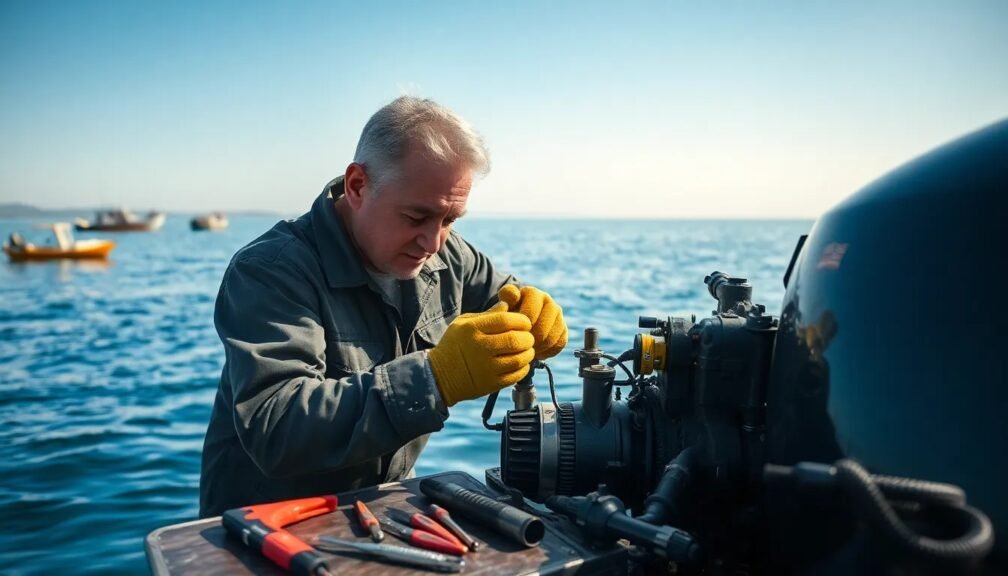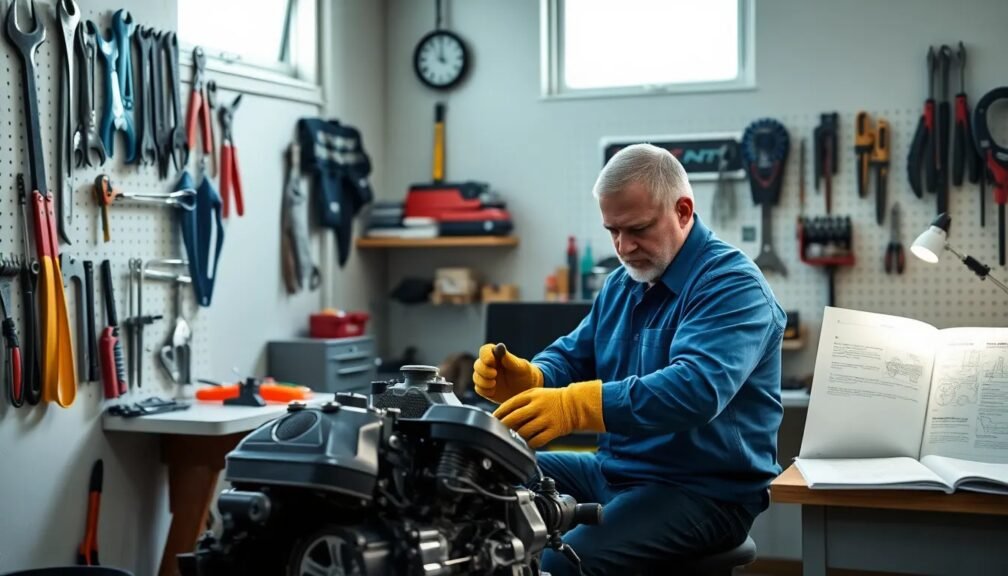
Owning a boat is a dream for many, but the friendship between a boat owner and their outboard engine can sometimes be tumultuous. For first-time owners, navigating the world of outboard repair can be daunting. However, with the right knowledge and some essential tips, you can keep your outboard motor running smoothly, ensuring countless joyful days on the water. In this guide, we will explore practical outboard repair tips to empower first-time owners to tackle minor issues, prevent bigger problems, and maintain their engines effectively.
Understanding Your Outboard Motor
Before you dive into outboard repair, it’s crucial to understand the basics of your outboard motor. Outboards come in varying sizes and types, from two-stroke to four-stroke engines. Understanding the engine type will help you determine maintenance schedules and repairs.
Key Components of an Outboard Motor
Familiarize yourself with the main components of your outboard motor:
- Fuel System: Understanding how fuel flows from the tank to the engine is essential for diagnosing fuel-related issues.
- Ignition System: This includes spark plugs and coils which ignite the fuel. A faulty ignition can lead to starting issues.
- Cooling System: Most outboards are water-cooled. Watch for overheating, as this can cause significant damage.
- Propeller and Gearcase: These play a crucial role in the motor’s performance. Damaged propellers can lead to inefficient operation.
Regular Maintenance is Key
One of the best practices you can adopt as an outboard motor owner is routine maintenance. Regular upkeep can prevent larger issues down the line.
Monthly and Seasonal Checklists
Here are some vital checkpoints for monthly and seasonal outboard maintenance:
Monthly Tasks
- Inspect the Fuel System: Make sure to check for leaks and the condition of the fuel line.
- Examine Spark Plugs: Remove and inspect them for wear and carbon buildup.
- Check for Corrosion: Look for corrosion around electrical connections and battery terminals.
Seasonal Tasks
- Change the Oil: For four-stroke motors, this is a must. Use high-quality marine oil for the best results.
- Replace the Fuel Filter: A clean fuel filter ensures better performance.
- Test the Cooling System: Check the water pump and thermostat for proper operation.
Initial Trouble Diagnosis
Problems will arise, and being able to diagnose them is crucial. Here are some common issues and how to identify them.
Engine Won’t Start
If your engine is unresponsive, several factors could be at play:
- Dead Battery: Always start with the simplest solution. Test your battery and cables.
- Fuel Issues: Ensure you have fresh fuel and check for blockages in the fuel line.
- Ignition System: Inspect spark plugs for wear. If they don’t produce a spark, it’s time to replace them.
Overheating
An overheating engine can severely damage your outboard. Look for:
- Obstructed Cooling Water Intakes: Make sure there are no debris blocking the intakes.
- Water Pump Failure: Feel for adequate water flow from the motor while running. If not, the water pump might be faulty and requires replacement.
Poor Performance
Common performance issues, like loss of speed, can stem from:
- Clogged Fuel Filters: Regularly replacing filters will keep your motor running efficiently.
- Worn Propeller: Inspect for dents or bends that can affect speed.
DIY Outboard Repair Tips
For first-time owners looking to save on costs, many outboard repair tasks can be done yourself. Here are some tips:
Tools You’ll Need
Invest in these essential tools for your outboard repair toolkit:
- Socket and Wrench Sets: Necessary for numerous fittings.
- Screwdrivers: Both flathead and Phillips for various screws.
- Multimeter: Useful for testing electrical components.
- Pliers and Cutters: Handy for working with wires and fuel lines.
Performing Simple Repairs
Replacing Spark Plugs
- Remove the Old Spark Plug: Using a socket wrench, unscrew and take out the old plug.
- Check Gap Width: Use a gap tool to ensure it’s set to the manufacturer’s specifications.
- Install the New Plug: Screw it in lightly and then tighten with the wrench.
Changing the Oil
- Drain the Old Oil: Locate the drain plug, and allow the oil to flow into a container.
- Replace the Oil Filter: Remove the old filter and install a new one.
- Add New Oil: Pour in fresh marine-grade oil through the dipstick.
When to Seek Professional Help
While many outboard repairs can be handled independently, some situations require expertise:
- Major Engine Failures: Complex issues that require specialized tools or knowledge.
- Transmission and Gearbox Problems: These systems can be intricate and typically require a professional technician.
Conclusion: Staying Empowered in Outboard Repair
Owning an outboard motor is a rewarding journey, but it comes with challenges. Understanding the basics of outboard repair and regular maintenance will empower you as a first-time owner. By following these tips, maintaining your engine, diagnosing potential issues, and knowing when to tackle minor repairs yourself versus seeking professional assistance, you can ensure your motor remains reliable.
Actionable Insights
- Regularly Inspect Your Outboard: Make a maintenance schedule to keep checks consistent.
- Educate Yourself: Read your owner’s manual for specific guidelines on your model.
- Join a Community: Engage with other boat owners for tips and shared experiences.
By investing time and effort into understanding your outboard motor, you set the stage for safe and enjoyable outings on the water. Whether it’s a day of fishing, a leisurely cruise, or thrilling water sports, a well-maintained outboard motor is your ticket to great adventures.