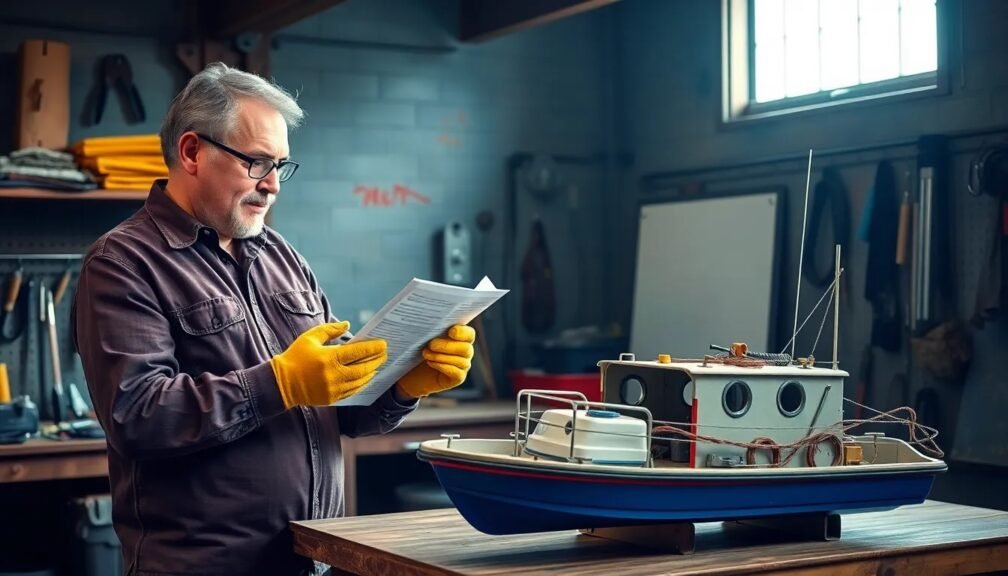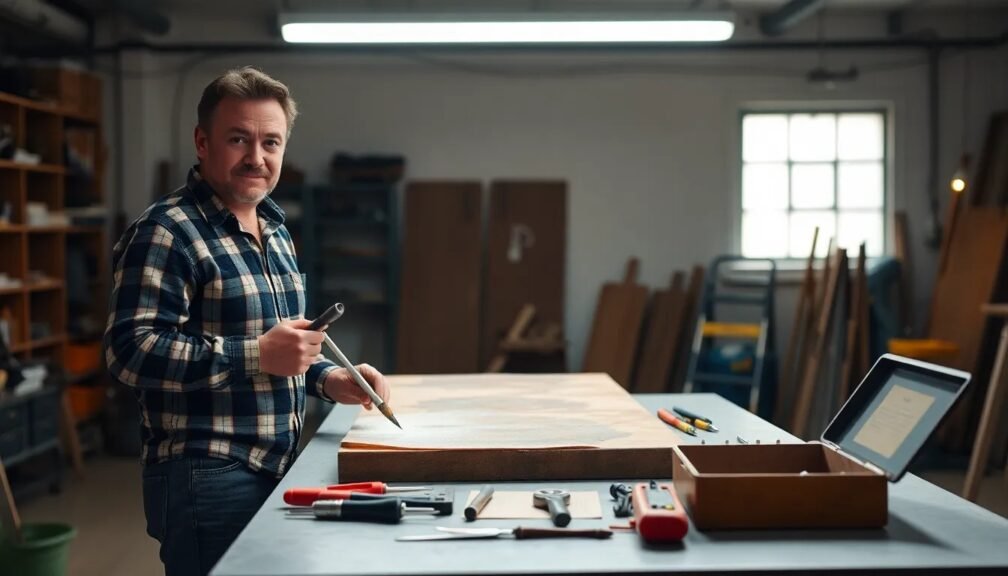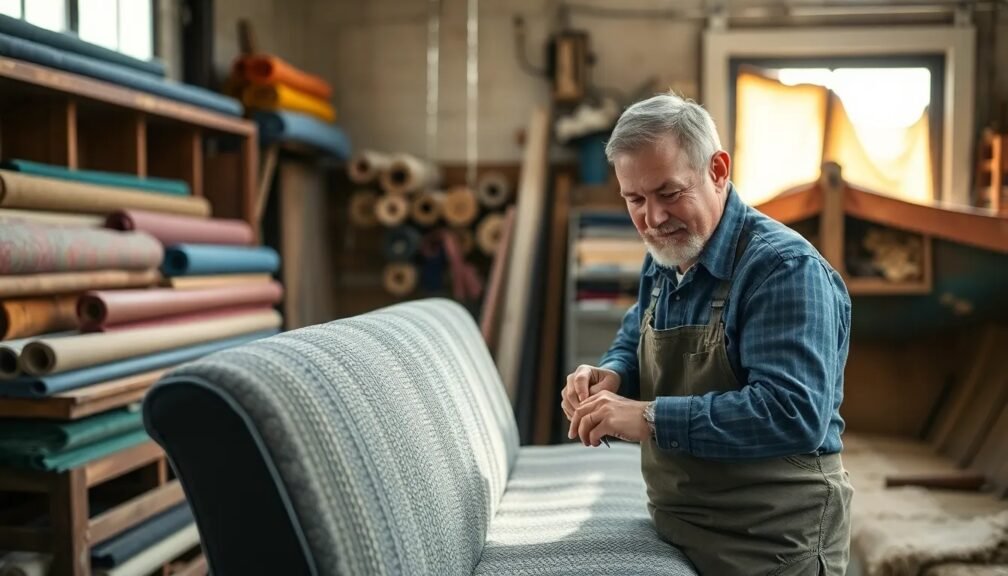
Whether you’re an avid boater or a weekend cruiser, maintaining your vessel’s appearance is crucial. One of the most challenging yet rewarding tasks is boat upholstery repair. With the right techniques, tools, and a little patience, you can transform your battered cushions, seats, and other upholstered areas into pristine sections that enhance both comfort and aesthetics. In this guide, we will explore practical tips and tricks to ensure your boat upholstery repair is executed flawlessly.
Understanding the Importance of Boat Upholstery Repair
Aesthetic Appeal
Your boat’s upholstery significantly impacts its overall appearance. Worn-out, stained, or damaged upholstery can make even the most beautiful vessel look shabby. A thorough repair boosts your boat’s visual appeal, making it more enjoyable for you and your guests.
Enhanced Comfort and Functionality
Functional upholstery provides comfort while you’re out on the water. If your seats are torn or sagging, it can translate into a less enjoyable experience. Refreshing your boat upholstery improves both comfort and usability.
Increased Resale Value
Well-maintained upholstery can significantly increase your boat’s resale value. Potential buyers will notice the care you’ve put into the upkeep when they see pristine interiors.
Assessing the Damage: The First Step in Boat Upholstery Repair
Identify the Problem Areas
Before diving into any repair work, take the time to carefully inspect all upholstered sections. Look for:
- Rips or tears
- Stains or fading
- Sagging cushions
- Worn seams
Evaluate the Material
Understanding the type of upholstery material is crucial for effective boat upholstery repair. Common materials include vinyl, canvas, and fabric. Each material has its unique repair techniques and products, so knowing exactly what you’re working with is essential.
Essential Tools and Materials for Boat Upholstery Repair
Setting yourself up for success begins with having the right tools and materials on hand. Here’s what you will need:
Basic Tools
- Heavy-Duty Sewing Machine: If you need to sew new seams or repair existing ones.
- Scissors: Preferably fabric scissors for clean cuts.
- Staple Gun: For reattaching upholstery to frames.
Materials
- Replacement Fabric: Choose high-quality, marine-grade fabric for durability.
- Foam Padding: Use closed-cell foam for boat seats, as it resists water absorption.
- Upholstery Adhesive: Effective for bonding foam to materials or frames.
- Vinyl Repair Kits: If you’re working with vinyl, these can help fix minor tears and scratches.
Step-by-Step Guide to Boat Upholstery Repair
Step 1: Remove the Upholstery
Start by carefully removing the upholstery from the seats or other areas. Use a staple remover or flathead screwdriver to detach it from the base. Be sure to keep track of all staples and screws for reassembly.
Step 2: Clean and Prepare the Surface
Once removed, clean the base surface where the upholstery will reattach. Use a mixture of water and mild detergent. Rinse and let dry thoroughly before proceeding.
Step 3: Repair or Replace Damaged Foam
Check your foam padding. If it’s saggy or waterlogged, it’s best to replace it. Measure accurately, and cut the new foam to fit snugly. Secure the foam to the seat base using upholstery adhesive.
Step 4: Cutting New Upholstery
Using the old upholstery as a template, cut the new material. If you’re using a patterned fabric, pay close attention to alignment for a clean look. Always leave an extra inch on all sides to ensure you have enough material when reattaching.
Step 5: Sew or Staple New Upholstery
If your upholstery requires seams, sew these first. If you’re using a sewing machine, settings for heavy-duty fabric will be necessary. Once complete, or if you’re using a simpler design, stretch your new upholstery over the seat or area, securing it with a staple gun.
Step 6: Final Touches
Trim any excess material with fabric scissors for a neat finish. Inspect your work thoroughly, ensuring that seams are even and the fabric is taut. If using vinyl, consider applying a vinyl conditioner for enhanced appearance and longevity.
Common Mistakes to Avoid in Boat Upholstery Repair
Rushing the Process
Taking your time is crucial. Rushing can lead to mistakes that might end up costing more in the long run.
Ignoring Material Compatibility
Always choose materials designed for marine use. Non-marine fabrics may deteriorate quickly in harsh conditions.
Skipping Preparation
Cleaning and prepping both old and new materials can make all the difference in the quality of the repair. Prepare surfaces adequately to ensure proper bonding.
Maintenance Tips for Long-Lasting Upholstery
Regular Cleaning
Regular cleaning helps prolong the life of your boat upholstery. Use mild soap and warm water to wipe surfaces, and avoid harsh chemicals that can degrade the fabric.
UV Protection
Applying UV protectants specifically designed for marine upholstery can mitigate fading and wear from the sun. Cover your boat when not in use to prevent exposure to harmful UV rays.
Prompt Repairs
Address any minor damages immediately to prevent them from escalating into larger issues. Regular inspections can help you identify these problems early.
Conclusion: Transform Your Boat with Expert Boat Upholstery Repair
Boat upholstery repair can significantly enhance your vessel’s comfort, aesthetics, and resale value. By understanding the importance of repairing damaged upholstery, following a systematic process, and avoiding common mistakes, you can achieve a flawless finish that will impress all who step aboard.
Now that you have all the knowledge and tools needed, why wait? Start planning your boat upholstery repair today, and sail into your next adventure with confidence and style! Whether it’s restoring the original glory of your boat or customizing a new look, your efforts will surely pay off and make every nautical trip more enjoyable.