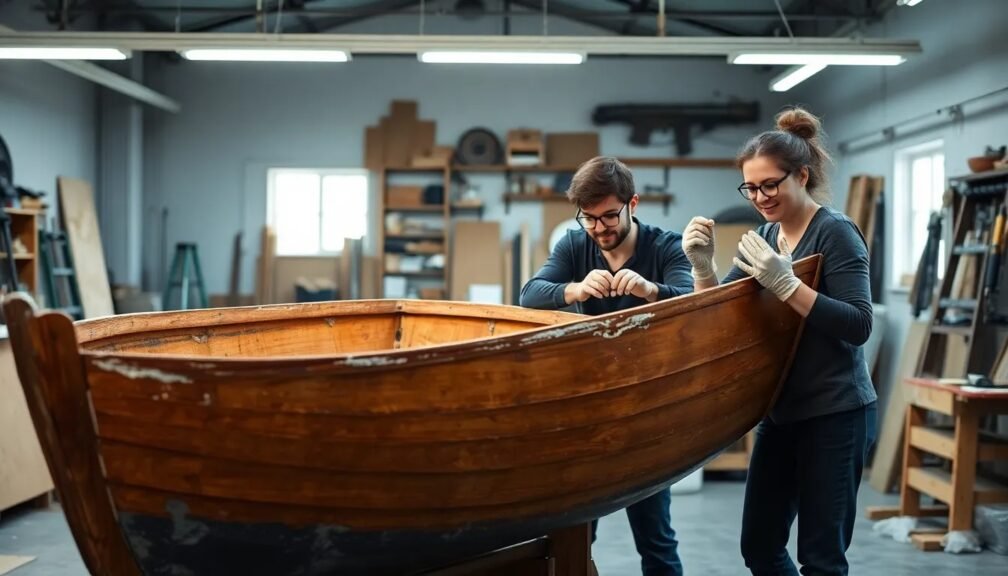
When it comes to maintaining your boat’s longevity and performance, few tasks are as crucial as bottom painting. Whether you own a sailboat, powerboat, or a yacht, applying a fresh coat of bottom paint is essential for protecting your vessel from the harsh marine environment. In this article, we’ll delve into the world of bottom painting, providing essential tips for beginners that will help you maximize your efforts and ensure your boat remains in top condition.
What is Bottom Painting?
Bottom painting refers to the process of applying a protective coating to the underwater portion of your boat. This paint acts as a barrier against marine growth like barnacles and algae, as well as protecting against corrosion and wear. Proper bottom painting not only enhances your boat’s appearance but also improves its performance by maintaining efficient hull speed.
Why is Bottom Painting Important?
-
Protection Against Fouling: Organisms such as barnacles and algae thrive in water, growing on your hull and significantly slowing down your boat. Bottom painting helps prevent this growth, enhancing fuel efficiency and overall performance.
-
Hull Integrity: A well-applied bottom coat protects your vessel’s hull material—whether it’s fiberglass, wood, or metal—from moisture, which can cause rot, rust, or deterioration.
-
Cost Efficiency: Investing in quality bottom painting can save you money over time by reducing maintenance costs and improving fuel efficiency, allowing you to spend more time on the water.
Types of Bottom Paint
Understanding the different types of bottom paint can help you choose the right one for your boat’s needs. Here are the common categories:
1. Antifouling Paint
This type contains biocides to deter marine growth. Antifouling paints can be either hard-surface or soft-surface:
-
Hard-Surface Paint: Provides excellent durability and is ideal for powerboats that are frequently used. However, it may not be as effective for sailboats that spend extended periods in the water.
-
Soft-Surface Paint: Releases biocides more slowly but is perfect for sailboats and vessels that are in the water for prolonged periods.
2. Non-Copper Paint
With increasing regulations around copper use, non-copper options are gaining popularity. These paints use alternative biocides and may be friendlier to the environment, but they tend to be less effective in fouling prevention.
3. Self-Polishing Paint
This is a unique type of antifouling paint that gradually wears away with water movement. It can regenerate its biocide surface, making it useful for varying conditions. However, it is generally pricier than the conventional types.
Preparation for Bottom Painting
Proper preparation is crucial for a successful bottom painting project. Follow these steps to ensure your efforts yield positive results.
1. Choose the Right Location
Before you start, select a suitable location for performing your bottom painting. It’s best to work in a well-ventilated area, preferably outdoors. Also, be sure to check local regulations regarding boat work in your region.
2. Gather Necessary Tools and Materials
Having the right equipment can make your bottom painting process smoother. Here’s a list of essential tools:
- Bottom paint (of your choice)
- Sandpaper or a sander
- Scraper or putty knife
- Cleaning brush
- Primer (if needed)
- Safety gear (gloves, goggles, mask)
- Paintbrushes or rollers for application
3. Clean and Inspect the Hull
Before applying new paint, your hull must be clean. Use a scraper to remove old paint and marine growth, followed by sanding to create a smooth surface. After cleaning, inspect for any damage or areas that may require repair.
Step-by-Step Guide to Bottom Painting
Now that you’re prepared let’s walk through the process of bottom painting your boat.
Step 1: Apply Primer (If Necessary)
If your boat’s hull exhibits bare spots or surface imperfections, consider applying a primer first. A good primer enhances adhesion and provides a reliable base for your bottom paint.
Step 2: Choose the Right Conditions for Application
The best conditions for bottom painting are dry and warm. Aim for temperatures between 60°F and 85°F, and avoid painting during windy, rainy, or humid conditions to ensure the paint adheres correctly.
Step 3: First Coat Application
Using a quality brush or roller, start applying your bottom paint uniformly from the transom to the bow. Work in sections and ensure even coverage without drips or runs. Remember to follow the manufacturer’s guidelines regarding drying times between coats.
Step 4: Second Coat Application
Most boats require at least two coats of bottom paint for maximum protection. While applying the second coat, ensure that the first coat has dried completely.
Step 5: Final Inspection
Once the final coat is dry, conduct a thorough inspection. Look for inconsistencies in coverage or areas missed. Touch up as needed to ensure full protection.
Maintenance After Bottom Painting
After your bottom painting project is complete, maintaining your boat is essential to keep it in top shape. Here are some tips:
- Regular Inspections: Check the hull regularly for signs of wear, marine growth, or peeling paint.
- Wash the Hull: Clean your boat’s hull periodically to prevent buildup.
- Touch Up as Necessary: If you notice chips or scratches, make sure to touch them up quickly to prevent further damage.
Conclusion: Bottom Painting Like a Pro
Now that you have a comprehensive understanding of bottom painting and essential tips for beginners, you’re well-equipped to tackle this important task. Remember, investing time in proper preparation and selection of materials will pay off in the long run, enhancing your boat’s performance and lifespan.
Actionable Insights:
- Research and select an appropriate type of bottom paint based on your boat’s use and environmental factors.
- Don’t skip the prep work—it’s the key to successful bottom painting.
- Stay informed about maintenance and periodical inspections to protect your investment.
By following these guidelines, you’ll not only ensure a smooth bottom painting process but also enjoy countless days cruising with peace of mind, knowing your boat is adequately protected. Happy painting!