Owning a boat can be one of life’s greatest pleasures, providing countless hours of adventure on the water. However, one of the most significant threats to your boat’s longevity is corrosion. Boat corrosion repair is not only essential for maintaining aesthetics but also for ensuring safety and performance on the water. In this article, we will explore the ins and outs of boat corrosion repair, offering tips and strategies for lasting protection.
Understanding Boat Corrosion
What Causes Boat Corrosion?
Corrosion is the process by which metals deteriorate due to environmental factors. Several factors contribute to corrosion in boats, including:
-
Electrolysis and Galvanic Corrosion: This occurs when different metals are in contact with each other in the presence of water, leading to the deterioration of the more reactive metal.
-
Saltwater Exposure: If you use your boat in saltwater, the high salinity can accelerate corrosion.
-
Moisture: Humidity and stagnant water promote the growth of rust.
Types of Corrosion
Understanding the type of corrosion affecting your boat is critical for effective boat corrosion repair. The main types include:
-
Uniform Corrosion: This type is evenly distributed across the surface and is relatively easy to spot.
-
Pitting Corrosion: Small holes form in the metal, often going unnoticed until significant damage has occurred.
-
Crevice Corrosion: Occurs in confined spaces where water stagnates.
Signs of Corrosion
Recognizing the signs of corrosion early can save you time and money. Look for:
-
Blisters: Bumps on the surface of the hull or fittings.
-
Discoloration: Rust spots or dull patches on metal.
-
Weakness: Areas that feel soft or crumbly.
Regular Inspections
Regular inspections are essential in identifying corrosion early. Ideally, check your boat every few weeks, especially before and after using it. Don’t forget to inspect hidden areas, such as under fittings or inside compartments.
Boat Corrosion Repair Methods
DIY Repair Steps
If you catch corrosion early, you may be able to tackle some repairs yourself. Here are the steps to follow:
1. Remove the Corroded Area
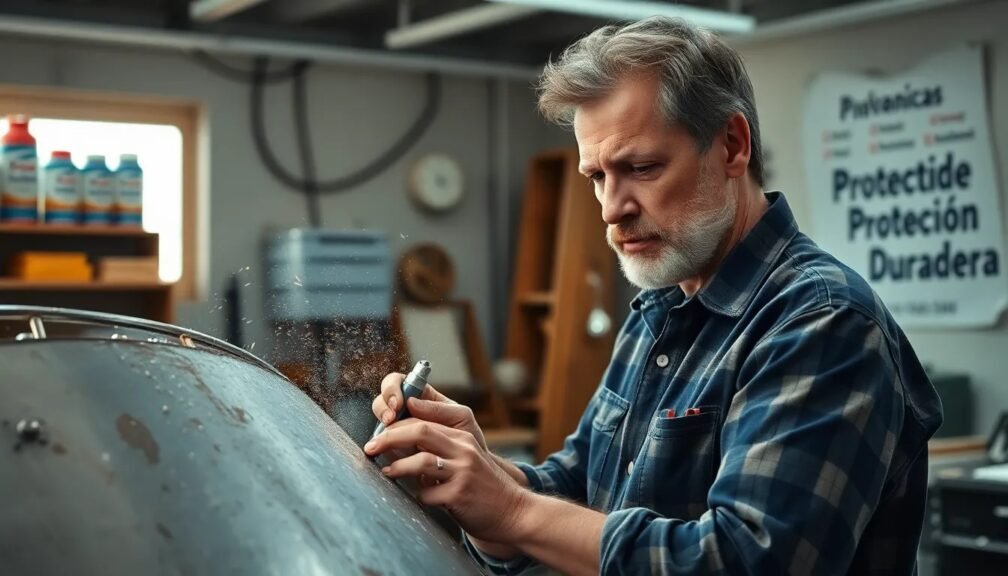
Use a grinder, wire brush, or sandpaper to remove the corroded layer. Be sure to wear protective gear!
2. Clean the Surface
Once you’ve removed the corrosion, clean the area with soap and water. Rinse thoroughly and let it dry completely.
3. Apply a Rust-Inhibitor
A rust-inhibiting primer will help shield the metal from further corrosion. Apply it according to the manufacturer’s instructions.
4. Paint or Coat
Once the primer is dry, paint the area with marine-grade paint or apply a protective coating. Ensure that it is suitable for the marine environment.
Professional Repair Options
For extensive damage or if you’re uncomfortable performing repairs, it’s best to consult a professional. Professional boat corrosion repair services have the tools and expertise to execute more complex fixes, ensuring a longer-lasting solution.
Replacement of Corroded Parts
In some cases, it may be more cost-effective to replace heavily corroded parts rather than repairing them. This is particularly true for critical components like propellers, rudders, and water inlets.
Preventative Measures
Regular Maintenance
Routine maintenance is your best defense against boat corrosion. Tasks include:
-
Cleaning the Boat: Regularly wash your boat to remove salt and grime.
-
Inspecting for Damage: Conduct inspections at the start and end of the boating season.
-
Applying Anti-Corrosive Coatings: Use marine-grade anti-corrosive primers and paints.
Anode Replacement
Sacrificial Anodes are vital to preventing galvanic corrosion. Replace these regularly, especially if you notice they are significantly worn down—typically every season or more frequently in harsh conditions.
Dry Storage
Whenever possible, store your boat in a dry environment. Moisture is a leading cause of corrosion, so using a covered slip or keeping your boat on a trailer can extend its life.
Additional Tips for Lasting Protection
Use Quality Materials
Investing in high-quality materials for your boat, including fittings, screws, and coatings, can significantly reduce the risks of corrosion.
Galvanic Isolators
Consider installing a galvanic isolator, especially if your boat has multiple types of metal components. This will help manage electrolysis more effectively.
Education and Awareness
Educate yourself and your crew about the causes and signs of boat corrosion. Knowledge is an essential tool for prevention and early detection.
Conclusion: Taking Action on Boat Corrosion Repair
Boat corrosion repair is not just about fixing visible damage; it’s about embracing a comprehensive approach to preserve your investment and ensure safety on the water. Regular inspections, timely repairs, and preventative measures can save you from costly headaches down the road.
Actionable Insights
-
Schedule Regular Inspections: Make it a part of your routine before each boating season.
-
Learn Basic Repair Skills: Knowing DIY repair techniques can save you time and money.
-
Invest in Quality Materials: Durable, marine-grade products can lower future maintenance efforts.
With these tips, you’ll be better equipped to protect your vessel against corrosion, ensuring that your adventures on the water are free from worries about deterioration. Remember, the goal is lasting protection, and proactive measures today lead to a seaworthy boat tomorrow!