When it comes to maintaining your home, one area that often gets overlooked is the staircase. The stringers—that sturdy, sloped pieces of wood or metal that support your steps—are essential for the structural integrity of your stairs. Over time, wear and tear can render stringers vulnerable, leading to potential hazards and costly repairs if not addressed promptly. In this article, we’ll delve into effective stringer repair techniques, empowering you to tackle this project with confidence.
Understanding the Role of Stringers
Before we dive into repair techniques, it’s essential to grasp the function of stringers in your staircase system. Stringers are the backbone of staircases, responsible for holding the treads (the flat parts you step on) and risers (the vertical parts). Typically made from wood or metal, they bear considerable weight and stress over time. Cracks, splits, or decay can compromise their integrity, making stringer repair not just an aesthetic concern but a safety imperative.
Common Issues with Stringers
Identifying the problems at hand is crucial to successful stringer repair. Here are some common issues you may encounter:
- Rotting Wood: Often a result of prolonged exposure to moisture, rotting can significantly weaken the stringer’s support.
- Cracks or Splits: Physical stress or improper installation can lead to cracks, affecting the staircase’s stability.
- Insect Damage: Wood-boring insects can compromise the integrity of wooden stringers, making repairs essential.
- Misalignment: Over time, stringers may shift, leading to misaligned treads and risers, which can pose trip hazards.
Tools and Materials Needed for Stringer Repair
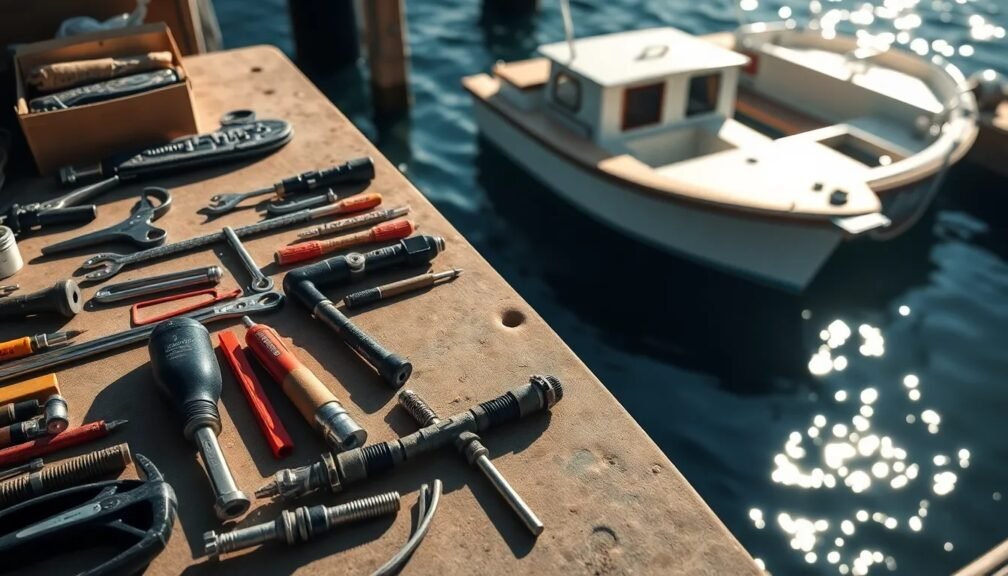
Before embarking on your DIY stringer repair project, gather the necessary tools and materials:
Tools
- Measuring Tape: Accurate measurements are crucial for a successful repair.
- Saw: Depending on your stringer type, a circular saw or hand saw may be required.
- Drill: Essential for creating pilot holes and securing fasteners.
- Level: Ensures that your repairs are aligned correctly.
- Screwdriver: For securing screws or bolts.
- Safety Gear: Gloves, goggles, and a dust mask for protection.
Materials
- Replacement Wood or Metal: Depending on the damage, you may need to cut new stringers.
- Wood Glue: Useful for minor cracks and reinforcement.
- Wood Screws or Bolts: For securing the stringers and steps.
- Sealant: Water-resistant options can protect wood from moisture.
- Sandpaper: For smoothing out rough edges.
Step-by-Step Guide to Stringer Repair
Now that you’re equipped with the right tools and knowledge, let’s break down the stringer repair process into manageable steps.
Step 1: Assess the Damage
Begin by thoroughly inspecting your stringers. Look for signs of rotting, cracking, or insect damage. Make a note of any suspect areas that require immediate attention.
Step 2: Remove the Damaged Sections
If you find significant damage, you might need to remove sections of the stringers. Use a saw to carefully cut out the compromised areas. Ensure you take safety precautions while doing this.
Step 3: Cut Replacement Pieces
Measure the length and angle of the areas you just removed, then cut new wood or metal pieces to match. If you’re using wood, opt for pressure-treated lumber for durability. If repairing metal stringers, use metal that matches in gauge and strength.
Step 4: Secure the New Pieces
Using wood glue, apply adhesive to the new sections and fit them securely into place. For extra strength, reinforce the connection with wood screws or bolts. Make sure everything is aligned properly, using a level as you work.
Step 5: Sand and Finish
Once the new pieces are secured, sand any rough edges to prevent injuries. If you’ll be staining or painting, let the finish dry completely before proceeding to the next step.
Step 6: Seal Against Future Damage
To protect your stringers from moisture and decay, apply a suitable sealant. This step is particularly important for wooden stringers exposed to the elements.
Troubleshooting Common Stringer Repair Issues
Even seasoned DIYers can encounter problems during stringer repair. Here are some common issues and tips for resolving them:
- Misaligned Steps: If your treads or risers are misaligned, double-check your measurements and adjust the stringer positioning.
- Excessive Movement: If the stringers feel loose, revisit your fastenings; ensure screws and bolts are adequately tightened.
- Visible Gaps: Fill any gaps with wood filler or additional glue and then sand smooth once dried.
When to Call in Professional Help
While DIY repairs can save you money and give you a sense of accomplishment, some situations may warrant professional assistance. If:
- The damage is extensive and involves the foundational structure of your staircase.
- You’re unsure about your skills or lack the necessary tools.
- You encounter unexpected problems, such as severe insect infestation.
it’s wise to consult a professional contractor to ensure the safety and integrity of your staircase.
Conclusion: Actionable Insights for Successful Stringer Repair
Stringer repair is not only a matter of aesthetics; it’s vital for maintaining the safety of your home. By understanding the roles and common issues of stringers, gathering the right tools and materials, and following our comprehensive step-by-step guide, you can successfully tackle this DIY project.
Remember to assess the damage thoroughly, take careful measurements, and use quality materials to ensure a long-lasting repair. Should you ever feel overwhelmed, don’t hesitate to reach out to professionals who can provide expertise and experience.
With these tips at your disposal, you’ll not only save money but also gain valuable knowledge about home maintenance that will come in handy long after your stringer repair is complete. Get started today—your staircase will thank you!