Owning a boat comes with a plethora of responsibilities, one of which is ensuring that all onboard systems are functioning correctly. Among these systems, the bilge pump plays a crucial role in maintaining a safe and dry environment. This article serves as an in-depth guide on bilge pump repair, shedding light on common issues, troubleshooting methods, and repair processes. Whether you’re a seasoned sailor or a novice boat owner, this guide provides the expertise you need to keep your bilge pump in top shape.
Understanding the Bilge Pump
What is a Bilge Pump?
A bilge pump is a mechanical device used to remove water that accumulates in the lowest part of a boat (the bilge). It can be either manual or automatic, serving as a safeguard against flooding. Effective bilge pump repair is essential for the longevity and functionality of your vessel.
Why is the Bilge Pump Important?
A properly functioning bilge pump is crucial for the safety of your boat. It prevents water from accumulating, which can lead to instability, damage, or even capsizing. Regular maintenance and bilge pump repair can avert costly disasters and keep your boating adventures enjoyable.
Common Bilge Pump Issues
1. Clogged Filters
One of the most frequent problems encountered with bilge pumps is clogged filters. These filters can trap debris, oil, and organic material, inhibiting the pump’s functionality.
2. Electrical Failures
Bilge pumps rely heavily on electrical components. Issues such as faulty wiring, corroded connections, or blown fuses can lead to a non-operational pump.
3. Mechanical Failures
Mechanical components, such as the impeller, can wear down over time. Regular inspection can help identify these issues before they escalate.
Step-by-Step Bilge Pump Repair Process
Step 1: Safety First
Before attempting any bilge pump repair, it’s vital to prioritize safety. Disconnect the battery to prevent electric shocks, and ensure you’re working in a well-ventilated area free from flammable materials.
Step 2: Inspect the Pump
-
Visual Inspection: Start with a thorough visual examination of the bilge pump. Look for signs of wear or corrosion.
-
Listen for Unusual Noises: When operation is attempted, listen for grinding or whining noises, indicating mechanical issues.
Step 3: Check the Power Supply
-
Battery Connection: Verify that the battery connections are clean and secure. Corroded terminals can disrupt power flow.
-
Fuse Check: Check the bilge pump fuse. If it’s blown, replace it with one of the same rating.
-
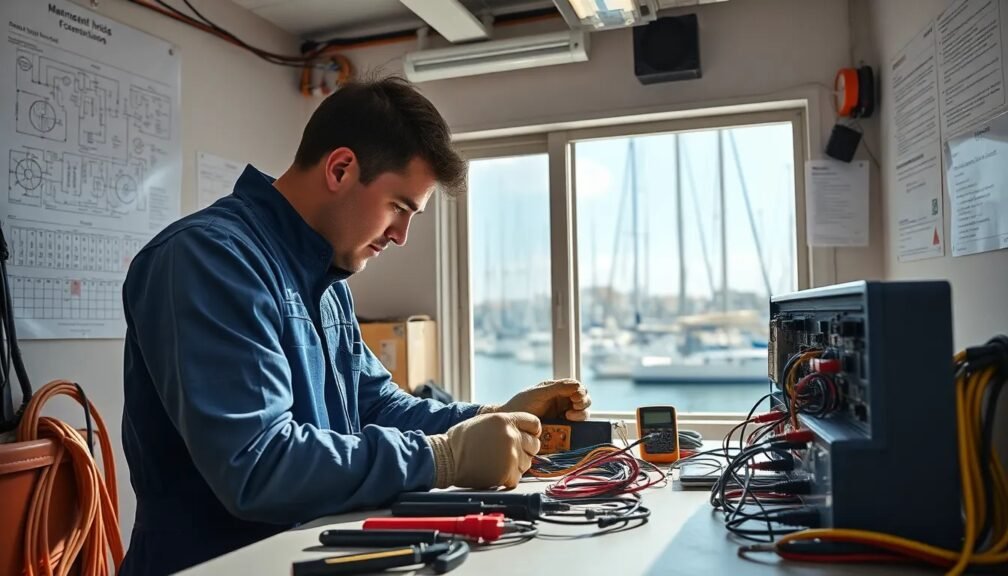
Voltage Test: Utilize a multimeter to test for voltage at the pump. A reading below 12 volts indicates a problem upstream.
Step 4: Clean the Filters
If your bilge pump employs a filter, it may need cleaning or replacement.
-
Remove the Filter: Take out the filter and inspect it for clogging or damage.
-
Cleaning Process: Clean the filter with warm, soapy water. If the damage is severe, consider a replacement.
Step 5: Inspect and Clean the Impeller
The impeller is vital for the bilge pump’s operation:
-
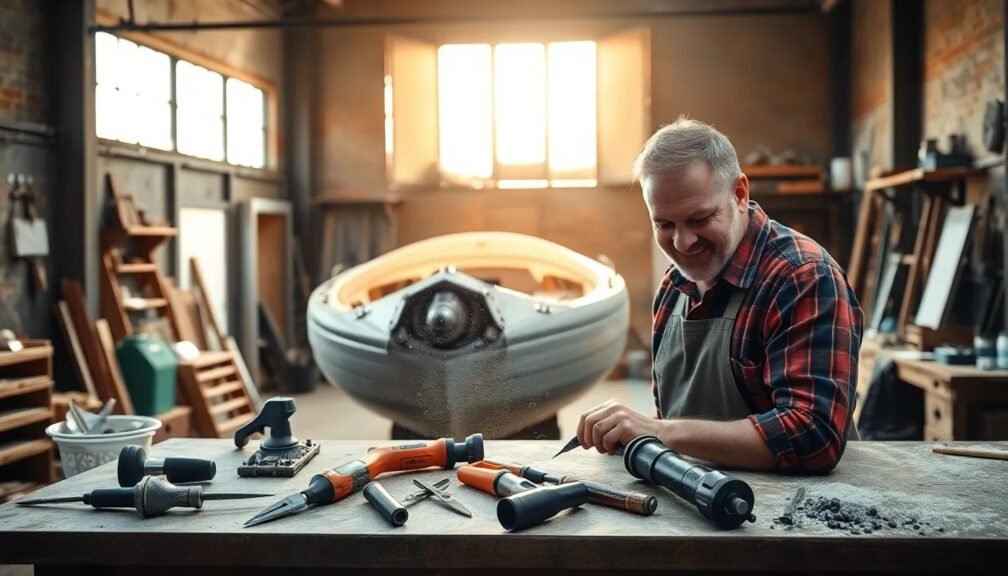
Remove the Pump: Detach the pump from its mounting. Pay attention to how you disconnect it; a visual or written record can be helpful.
-
Check the Impeller: Inspect for cracks or wear. If damaged, this part may need replacement.
-
Clean the Components: Use an appropriate cleaner to eliminate any debris in and around the impeller assembly.
Step 6: Reassemble and Test
-
Reassemble the Pump: Carefully reattach all components, ensuring no parts are left out of place.
-
Reconnect the Power: Once everything is reassembled, reconnect the battery and switch on the bilge pump.
-
Test for Operation: Check to see if the pump activates and effectively removes water. Observe any leaks or abnormal noises during this process.
Step 7: Regular Maintenance
Preventive care is essential for the longevity of your bilge pump:
-
Routine Inspections: Schedule regular inspections (every few months or before the boating season).
-
Keep the Bilge Clean: Regularly clean the bilge area to avoid sediment accumulation.
-
Consider Upgrades: If you find the bilge pump consistently malfunctioning, it may be wise to consider an upgrade to a higher-quality or more powerful model.
Helpful Tips for Bilge Pump Repair
- Use Quality Parts: Always opt for original equipment manufacturer (OEM) parts for replacements to ensure compatibility and reliability.
- Document Repairs: Keep a log of repairs and maintenance for future reference and improved reliability.
- Consult a Professional: If you’re unsure about any step in the bilge pump repair process, seeking professional help can save you time and ensure safety.
Conclusion
Maintaining and repairing your bilge pump is essential for the safety, longevity, and functionality of your boat. This step-by-step guide offers practical insights that can empower you to perform bilge pump repair with confidence. Regular checks and prompt action in the event of issues will not only save you money but also ensure peace of mind as you set sail.
Equipped with this knowledge, take action now: inspect your bilge pump and address any issues before embarking on your next boating adventure. Whether for leisure or livelihood, a well-maintained bilge pump can make all the difference in ensuring your experience on the water is smooth sailing!