When it comes to maintaining your boat, one aspect that often gets overlooked is the boat lift. A fully functional boat lift not only protects your investment but also enhances your boating experience. However, like any mechanical system, boat lifts can face their share of challenges. Whether it’s a motor malfunction or structural damage, understanding the basics of boat lift repair can save you time, money, and frustration. In this article, we’ll delve into essential DIY fixes, offering expert tips that will empower you to tackle boat lift repair issues with confidence.
Understanding Boat Lifts: The Basics
What is a Boat Lift?
A boat lift is a mechanical device that elevates and lowers boats in and out of the water, providing a safe and dry docking solution. They come in various types, including:
- PWC Lifts: Designed for personal watercraft.
- Hydraulic Boat Lifts: Use hydraulic pumps for smooth operation.
- Manual Boat Lifts: Operated by hand, often more cost-effective.
Understanding the type of lift you own is the first step in effective boat lift repair.
Common Issues Faced by Boat Lifts
Like any machinery, boat lifts can face problems. Some common issues include:
- Motor failure
- Electrical issues
- Structural damage
- Leaking hydraulic fluid
- Corrosion
Spotting these problems early will significantly ease your repair workload.
First Things First: Safety Measures
Before diving into repairs, prioritize safety. Here are some essential tips:
- Turn Off Power: Always disconnect power to your lift before attempting any repairs.
- Wear Protective Gear: Gloves, safety glasses, and sturdy footwear can protect you from injuries.
- Use Proper Tools: Ensure you have the necessary tools at hand, such as wrenches, sockets, and screwdrivers.
Being prepared will not only enhance safety but also streamline the repair process.
Performing Basic Boat Lift Repair
Checking Electrical Components
Inspecting the Motor:
One of the first areas to check during boat lift repair is the motor. Common signs of trouble include unusual noises or a complete lack of power.
Steps:
- Disconnect Power: Always start by ensuring the power is off.
- Visual Inspection: Look for loose connections, burnt wires, or corrosion.
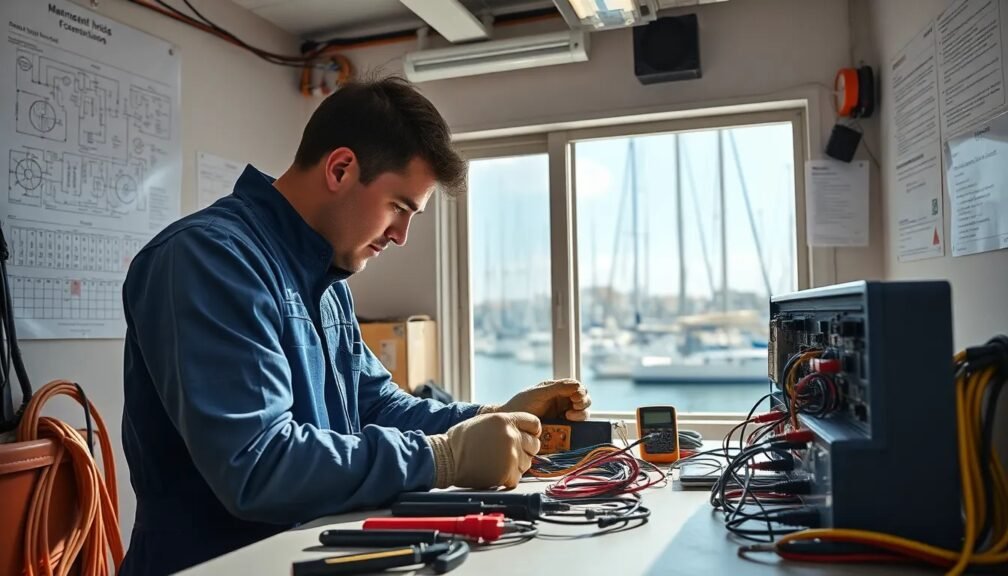
- Multimeter Usage: Check voltage and ensure the motor receives adequate power.
If the motor shows signs of failure, consider replacing it with a compatible model.
Addressing Hydraulic Issues
Hydraulic boat lifts rely on fluid to operate effectively. Leakage can be a significant issue.
Steps:
- Locate the Leak: Inspect hoses and fittings for leaks when the lift is powered on.
- Tighten Connections: Often, simply tightening connections can resolve minor leaks.
- Replace Hoses: If hoses are damaged, replace them using high-quality hydraulic hoses.
Regularly checking hydraulic levels and ensuring clean fluid can enhance performance and longevity.
Structural Repairs
Deterioration due to weather and usage can lead to structural issues.
Steps:
- Inspect for Rust or Corrosion: Check metal components for signs of rust.
- Reinforce Weak Areas: Use marine-grade paint to treat rusted areas and prevent future corrosion.
- Bolts and Fasteners: Tighten or replace any corroded fasteners to ensure stability.
Proper maintenance can significantly reduce the need for extensive structural boat lift repair.
Advanced Boat Lift Repair Techniques
Replacing the Motor
Sometimes, the motor may be too damaged for repair. In such cases, replacement is necessary.
Steps:
- Select a Compatible Motor: Make sure to choose a motor that fits your specific boat lift model.
- Disconnect Old Motor: Remove any bolts and disconnections safely.
- Install New Motor: Securely attach the new motor using the manufacturer’s instructions.
Once installed, test the motor to ensure proper functionality.
Electrical Wiring Repairs
Electrical issues can be more complicated but are often manageable with basic troubleshooting.
Steps:
- Identify the Problem Area: Use a multimeter to locate faulty circuits or switches.
- Replace Damaged Wiring: Cut and reconnect wires using appropriate connectors, ensuring waterproofing.
- Test Functionality: Always test the lift after repairs to ensure all components work harmoniously.
Safety and functionality should always be your priority when dealing with electrical components.
Maintenance for Longevity
Routine maintenance is key to preventing future issues.
- Inspect Regularly: Conduct monthly inspections, looking for signs of wear and tear.
- Lubricate Moving Parts: Apply lubricant to moving components to minimize friction.
- Keep it Clean: Remove debris and oceanic growth that can add weight or cause damage.
Implementing a consistent maintenance schedule will reduce the frequency of boat lift repair needs and prolong the lifespan of your lift.
Troubleshooting Tips
If your boat lift is not functioning properly, here are some troubleshooting steps:
- Check Power Supply: Ensure that the power source is functioning and properly connected.
- Listen for Noises: Unusual sounds might indicate mechanical failures.
- Observe Movements: Slow or jerky movements can signal hydraulic problems or motor issues.
Conclusion: DIY Boat Lift Repair Made Easy
Boat lift repair might seem daunting, but with the right tools and knowledge, it can become a manageable task. From inspecting electrical components to replacing motors and performing routine maintenance, the steps outlined in this guide give you a solid foundation to operate from.
Actionable Insights:
- Educate Yourself: Familiarize yourself with your boat lift model and its components.
- Perform Regular Checks: Make a maintenance schedule to catch any issues early.
- Seek Help If Needed: Don’t hesitate to consult a professional for complex issues.
Understanding the fundamentals of boat lift repair empowers you not just to fix issues as they arise but also to maintain the integrity and usability of your boat lift over time. Remember, a well-maintained boat lift ensures that your boating adventures remain enjoyable and hassle-free.