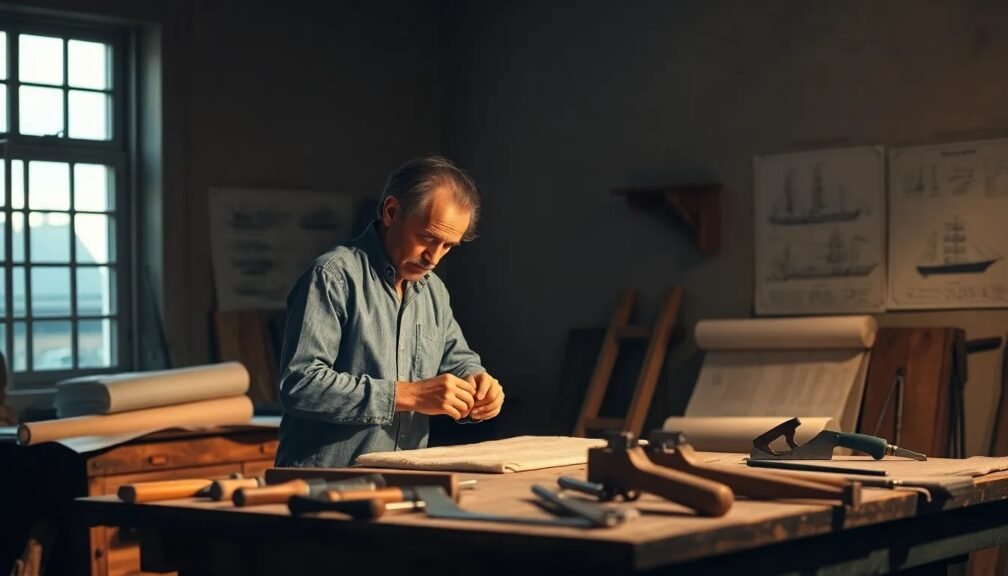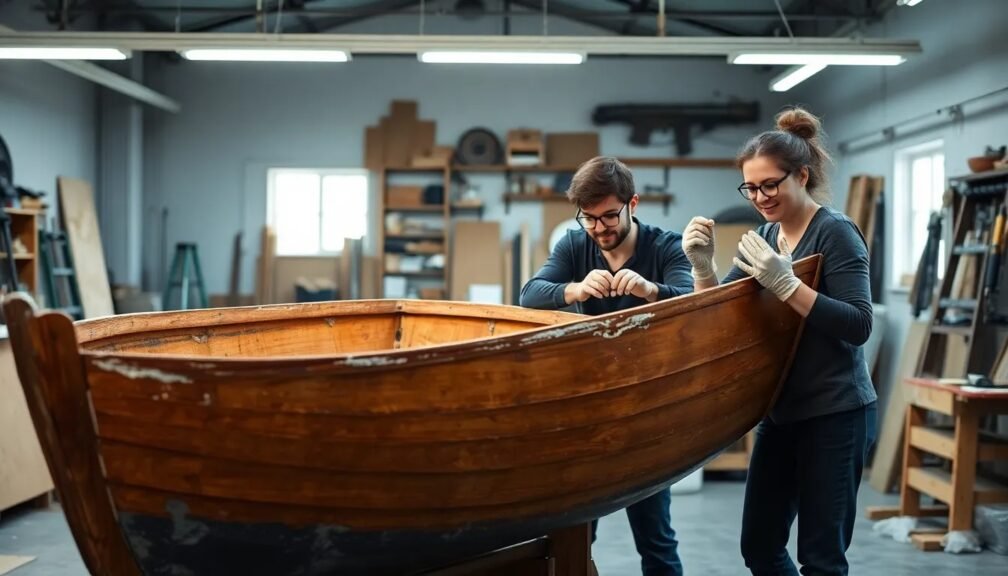
Boat restoration can be a thrilling and rewarding project for anyone looking to dive into marine crafts. Whether you’ve stumbled upon a classic wooden boat in a barn or purchased a used fiberglass vessel, breathing new life into a boat can bring immense satisfaction. However, it can also be a daunting task, especially for beginners. This comprehensive guide will provide essential tips to get started with your boat restoration journey.
Understanding Boat Restoration
Before diving in, it’s crucial to understand what boat restoration entails. Unlike boat repair, which focuses on fixing specific problems, boat restoration aims to return a vessel to its original condition or even improve upon it. This can include structural repairs, finishing touches, and sometimes a complete overhaul of the design or functionality of the boat.
Why Restore a Boat?
- Preservation of History: Many older boats have historical significance and restoring them preserves that legacy.
- Cost-Effectiveness: Buying a new boat can be expensive. Restoring an old one can be more budget-friendly.
- Personal Satisfaction: There’s an unparalleled joy in taking something that appears neglected and transforming it into a beautiful watercraft.
Assessing Your Vessel
Inspect the Condition
Before beginning your boat restoration, thoroughly inspect your vessel. Check for:
- Structural Integrity: Look for cracks, soft spots, or delamination in the hull.
- Engine and Mechanical Components: Examine the engine, transmission, and other mechanical parts.
- Electrical Systems: Assess the wiring, batteries, and electrical components for safety and functionality.
- Interior and Exterior: Look at the fiberglass, woodwork, and upholstery for wear and tear.
The initial inspection provides insight into what you’re dealing with and helps you prioritize your restoration tasks.
Create a Restoration Plan
After assessing your boat’s condition, create a detailed restoration plan. This should include:
- Budget Estimation: Outline your financial resources, including tools and materials.
- Timeline: Set a realistic timeline based on your availability and the extent of the restoration.
- Materials List: Document what materials will be needed for the restoration process.
Having a structured plan in place will keep your project organized and minimize frustrations down the line.
Essential Tips for Successful Boat Restoration
Start with the Basics
Before you jump into the more complex aspects of boat restoration, start with the basics. Here are some fundamental steps:
1. Clean Thoroughly
A clean workspace is vital. Remove old paint, dirt, and grime. Power-wash the surfaces if possible, especially the hull. This will help you see what you’re working with and ease the restoration process.
2. Address Structural Issues First
Before focusing on aesthetics, tackle any structural problems. Repair or replace damaged ribs, transoms, or stringers. If necessary, consult a marine surveyor to ensure the integrity of the boat.
3. Choose Quality Materials
Investing in high-quality materials can make or break your restoration project. Whether you’re fixing hull cracks, replacing wood, or updating interiors, use materials designed for marine environments to ensure durability.
Focus on the Electrical System
Electrical systems can often be overlooked, but they are crucial for the overall functionality of your boat. Here are some tips:
- Update Wiring: Replace old, frayed wiring with new marine-grade options.
- Check Connections: Ensure all connections are secure to avoid shorts or failures.
- Install Upgrades: Consider adding modern conveniences like GPS or Bluetooth speakers to enhance your boating experience.
The Painting Process
Painting is one of the most visible aspects of boat restoration. Follow these tips to ensure a successful paint job:
- Surface Preparation: Sand down any old paint and repair imperfections.
- Choose the Right Paint: Use marine-grade paint designed for the specific surfaces (fiberglass or wood).
- Apply Primer: Always apply a primer layer to improve paint adhesion.
- Multiple Coats: Two to three coats of paint can provide a more durable finish.
Interior Refreshment
Don’t forget the interior! Refreshing your boat’s interior can enhance your overall experience. Here’s how:
- Upholstery: Replace worn-out cushions and fabrics to breathe new life into the space.
- Storage Solutions: Optimize available storage to keep your boat organized and functional.
- Lighting: Add new lighting fixtures or improve ventilation to create a more inviting atmosphere.
Finalizing Your Boat Restoration
Safety Checks
Before hitting the water, ensure everything is in working order:
- Test the Engine: Ensure the engine starts smoothly and runs without issues.
- Check Navigation Systems: Test all electronic systems to avoid surprises on the water.
- Inspect Safety Gear: Ensure life jackets, fire extinguishers, and other safety gear are in good condition and compliant with local regulations.
Sea Trials
Once you feel confident in your restoration, conduct a sea trial:
- Short Trips: Start with short journeys to see how well your boat performs.
- Assess Handling: Pay attention to how the boat responds—this will let you know if any adjustments are needed before embarking on longer trips.
Conclusion: Take the Plunge into Boat Restoration
Boat restoration is not just about fixing and refurbishing a vessel; it’s about transforming a piece of history into an exciting watercraft that you can enjoy. By following these essential tips, beginners will find a structured approach to what can be an overwhelming project.
Engage with fellow boat enthusiasts, share your progress, and don’t hesitate to seek help when needed. Remember that every small step in your boat restoration journey brings you closer to enjoying your revitalized boat on the water. Start today, and let the adventure begin!