Boat seacocks are vital components of a vessel, serving as the critical valves that control the flow of water into and out of the boat’s hull. These essential parts must be in optimal working condition to ensure the safety and operational integrity of the boat. Over time, seacocks can face several issues that require timely repair. Understanding common problems associated with boat seacocks and knowing how to address them safely can prevent potential disasters at sea. This article will delve into the most frequent issues faced by boat seacocks, practical repair solutions, and tips for maintaining these components to ensure long-lasting performance.
Understanding Boat Seacocks
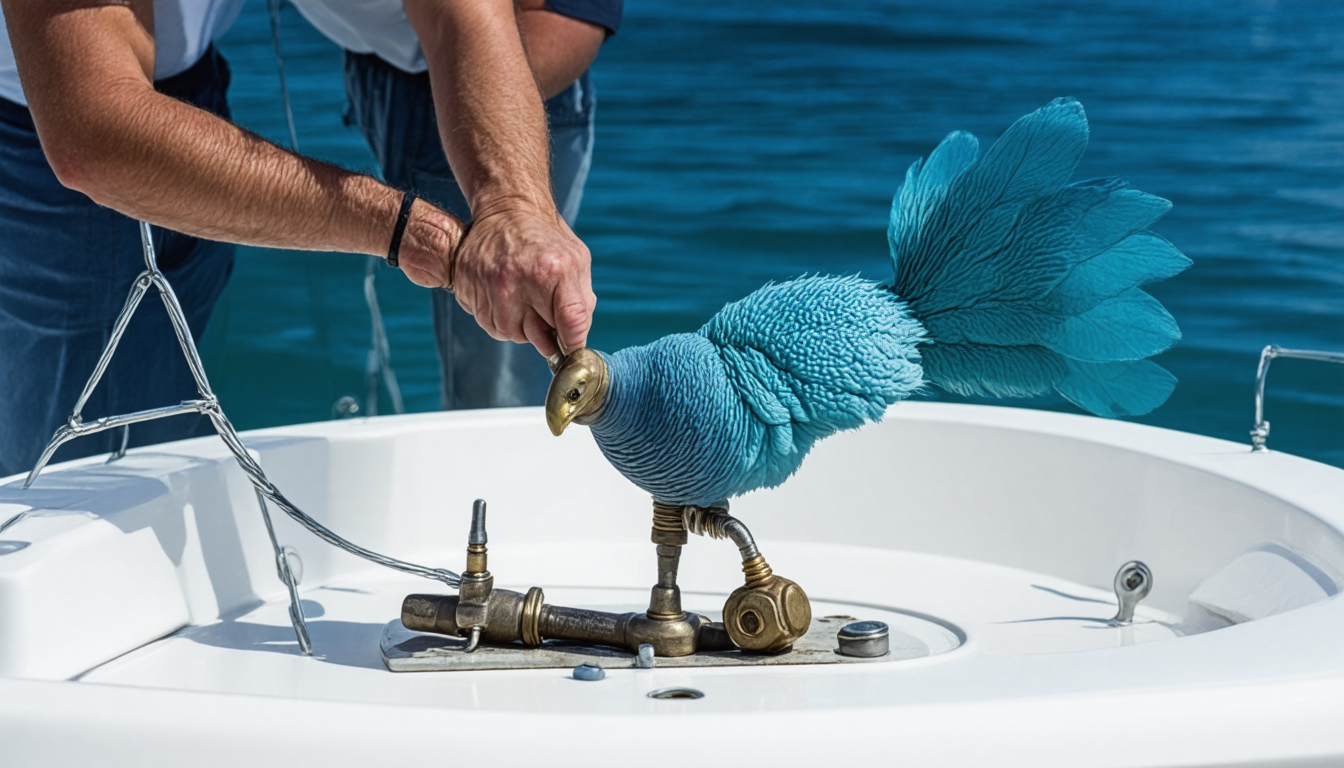
Boat seacocks are essentially through-hull valves that regulate the water flow through the hull of the boat. They are used in various applications, such as engine cooling, waste discharge, and bilge pumping. Typically made from materials like bronze, stainless steel, or high-grade plastics, these valves must withstand the harsh marine environment.
The Importance of Seacocks
Seacocks are crucial for preventing water ingress and potential flooding. A malfunctioning seacock can lead to severe consequences, including sinking. Therefore, regular inspection and maintenance of these valves are imperative for safe boating.
Common Seacock Problems
Corrosion
Corrosion is the most prevalent issue affecting boat seacocks, especially those made from metal. The constant exposure to saltwater accelerates the corrosion process, which can lead to valve failure. Over time, corrosion can cause the seacock to become brittle, making it susceptible to cracking or breaking.
Stiff Operation
Seacocks that are difficult to open or close can indicate a mechanical problem. This stiffness is often caused by the buildup of salt, minerals, or biological growth inside the valve. Regular use and maintenance are essential to prevent such issues.
Leaks
A leaking seacock is a serious problem that can lead to water ingress. Leaks are often the result of worn-out seals, improper installation, or damage to the valve body. Addressing leaks promptly is critical to prevent more extensive damage.
Freezing
In colder climates, seacocks are at risk of freezing, especially if the boat is not in use during the winter months. Freezing can cause the internal components of the seacock to crack or expand, leading to potential leaks when the valve is thawed.
Material Fatigue
Over time, the materials used in seacocks can become fatigued due to repeated stress and exposure to harsh conditions. Fatigue can lead to cracks and eventual failure of the valve.
Safe Fixes for Seacock Problems
Addressing Corrosion
For metal seacocks, regular inspections are necessary to spot early signs of corrosion. If corrosion is detected, cleaning the affected area and applying anti-corrosion treatments can help prolong the life of the seacock. In severe cases, replacing the corroded parts may be necessary.
Resolving Stiffness
To fix a stiff seacock, start by cleaning the valve thoroughly. Applying a marine-grade lubricant can help restore smooth operation. If the stiffness persists, disassembling the valve to remove any internal obstructions may be required.
Fixing Leaks
To repair a leaking seacock, first identify the source of the leak. Replacing worn seals or gaskets can often resolve the issue. Ensure that the valve is properly torqued and installed to prevent future leaks. If the valve body is damaged, replacing the entire seacock might be the safest option.
Preventing Freezing
To prevent freezing, ensure that seacocks are fully closed when the boat is not in use during the winter months. In extreme conditions, winterizing the boat by draining the plumbing systems can prevent seacock damage due to freezing.
Replacing Fatigued Materials
If material fatigue is suspected, inspecting the seacock for any visible cracks or weaknesses is crucial. If any signs of fatigue are present, replacing the affected parts or the entire valve is recommended to ensure safe operation.
Maintenance Tips for Long-lasting Seacocks
Regular maintenance can help extend the life of boat seacocks and prevent common issues. Here are some maintenance tips to keep your seacocks in excellent condition:
- Regular Inspections: Conduct routine inspections of the seacocks, looking for signs of wear, corrosion, or leaks.
- Lubrication: Apply marine-grade lubricant to moving parts to ensure smooth operation.
- Cleaning: Remove any salt, mineral deposits, or biological growth from the valve to prevent stiffness and damage.
- Winterization: In cold climates, take measures to protect seacocks from freezing during the off-season.
- Replacement: Be proactive in replacing parts that show signs of wear or damage to prevent failures.
Frequently Asked Questions
How often should I inspect my boat’s seacocks?
It is recommended to inspect your boat’s seacocks at least once a year, preferably before the start of the boating season. Regular inspections help detect early signs of wear or damage.
Can I repair a seacock myself, or should I hire a professional?
While minor issues such as lubrication or cleaning can be handled by boat owners, more complex repairs, such as replacing damaged parts, may require professional expertise to ensure the job is done correctly.
What materials are best for seacocks to prevent corrosion?
Bronze and stainless steel are commonly used materials for seacocks due to their resistance to corrosion. High-quality marine-grade plastics are also an option for enhanced corrosion resistance.
Is it necessary to winterize seacocks in all climates?
Winterization is particularly important in colder climates where temperatures drop below freezing. In milder climates, it may not be necessary, but it’s always a good precautionary measure.
What are the signs that a seacock needs replacement?
Signs that a seacock may need replacement include visible corrosion, cracks in the valve body, persistent leaks, and difficulty in operation despite maintenance efforts.
Conclusion
Boat seacocks are indispensable components that require regular attention to ensure they function properly. By understanding the common problems associated with seacocks, boat owners can take proactive steps to address issues and maintain the safety and integrity of their vessels. Timely repairs and consistent maintenance are crucial in preventing potentially disastrous situations at sea. Whether you’re addressing corrosion, leaks, or stiffness, adopting a thorough and informed approach to seacock care will ensure your boating adventures remain safe and enjoyable.