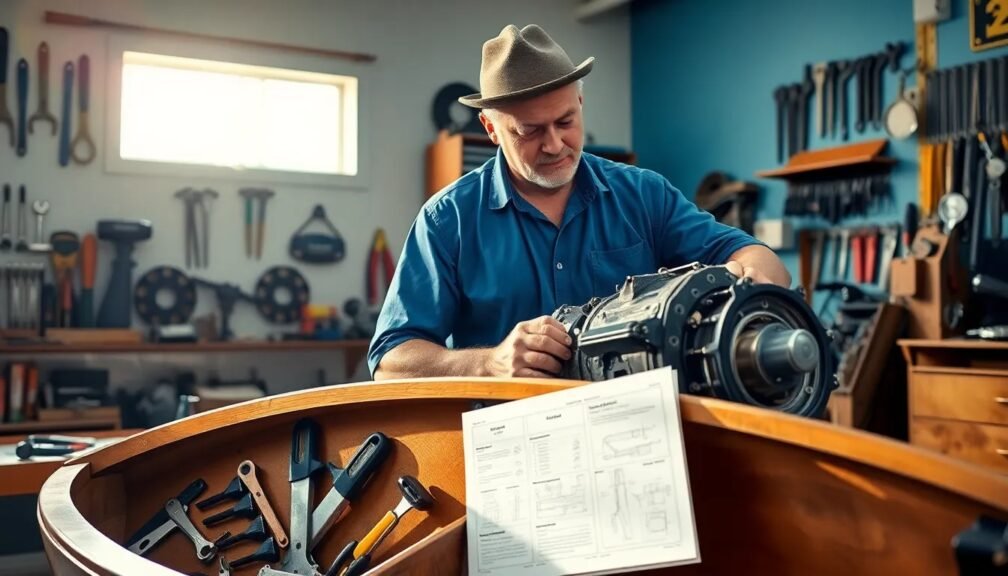
When it comes to boating, nothing feels better than a smooth sailing experience. However, if your marine engine begins to sputter or stall, you might be facing carburetor issues. A carburetor rebuild marine may just be what you need to restore that smooth operation. In this article, we’ll walk you through the essentials of carburetor rebuilding, top tips to ensure you get it right, and how to maintain your marine carburetor for optimal performance.
Understanding the Marine Carburetor
What is a Carburetor?
A carburetor is a crucial component of your marine engine. It mixes air and fuel to create the combustion needed for your engine to run smoothly. Unlike automotive carburetors, marine carburetors are specifically designed to operate in wet environments, which includes being sealed against moisture and contaminants.
Why Rebuild Your Marine Carburetor?
Over time, carburetors can wear out due to corrosion, dirt buildup, and the effects of fuel gumming. A carburetor rebuild marine can restore functionality and enhance engine performance. If you encounter symptoms like rough idling, difficulty starting, or poor fuel efficiency, it’s time to consider a rebuild.
Tools and Equipment Needed
Before you begin your carburetor rebuild project, it’s essential to gather the right tools and equipment:
- Basic Hand Tools: Wrenches, screwdrivers, and pliers.
- Carburetor Rebuild Kit: Ensure it includes gaskets, needle and seat, and any other required parts.
- Cleaning Supplies: Carburetor cleaner, brushes, and a lint-free rag.
- Safety Gear: Safety glasses and gloves.
Step-By-Step Guide to Carburetor Rebuilding
Step 1: Remove the Carburetor
Begin by turning off the fuel supply and disconnecting the battery. Carefully remove the carburetor from the engine, taking note of the connections and layout for easier reinstallation.
Step 2: Disassemble the Carburetor
Using your tools, carefully disassemble the carburetor. Take photos or make sketches as needed to ensure you remember the arrangement of parts.
Step 3: Clean All Components
Thoroughly clean all carburetor components using a carburetor cleaner. Ensure you remove all dirt and old fuel deposits. Pay special attention to jets and passageways to avoid any blockage during reassembly.
Step 4: Inspect for Damage
Look for any signs of wear or damage such as cracks, excessive corrosion, or faulty gaskets. Replace any damaged parts with new ones from your rebuild kit.
Step 5: Reassemble the Carburetor
Carefully reassemble the carburetor, referring to your notes or photos. Pay attention to torque specifications when reattaching components to avoid future leaks.
Step 6: Reinstall the Carburetor
Once reassembled, reinstall the carburetor back onto the engine, reattaching all connections. Make sure to check that the fuel supply is later placed back in a secure position.
Step 7: Adjust and Test
After the carburetor is reinstalled, start your marine engine and allow it to warm up. Check for any leaks and make necessary adjustments to the air/fuel mixture for optimal engine performance.
Maintenance Tips for Marine Carburetors
To keep your engine running smoothly and extend the overall life of your carburetor, consider the following maintenance tips:
Regular Cleaning
Frequent cleaning of your carburetor can help prevent buildup and corrosion. Ideally, clean your carburetor at least once a season.
Quality Fuel
Using high-quality fuel prevents gumming and keeps your carburetor clean. Consider fuels with added stabilizers, especially if storing your boat for extended periods.
Fuel Filters
Installing a good fuel filter will help catch particles and debris before they enter your carburetor, minimizing the risk of clogs and performance issues.
Seasonal Inspections
Before the boating season starts, conduct a comprehensive check of your carburetor and fuel system. Look for leaks, cracks, or corrosion that may require a rebuild.
When to Seek Professional Help
While many boat owners are comfortable performing a carburetor rebuild marine, some situations may require professional assistance. If you’re not confident in your abilities or if your engine still shows symptoms after rebuilding the carburetor, it’s best to consult with a marine mechanic. Additionally, if the carburetor is of an older model or if replacement parts are hard to find, a professional can help guide you towards a suitable replacement.
Conclusion: Sail Smoothly with a Rebuilt Carburetor
A carburetor rebuild marine is not just a repair; it’s an investment in your boat’s performance. By following these detailed steps, you can restore your carburetor’s function, ensuring that your time on the water is enjoyable and trouble-free. Remember, regular maintenance and prompt repairs can save you both time and money in the long run.
For those passionate about boating, taking the time to learn about your carburetor can lead to greater enjoyment on the water. Invest in your maritime experiences and enjoy smooth sailing! Whether it’s by doing it yourself or seeking professional advice, maintaining your carburetor is crucial for a memorable time on the waves.
By keeping these tips in mind, you can ensure your marine engine runs flawlessly, letting you focus on what truly matters—enjoying the open waters!