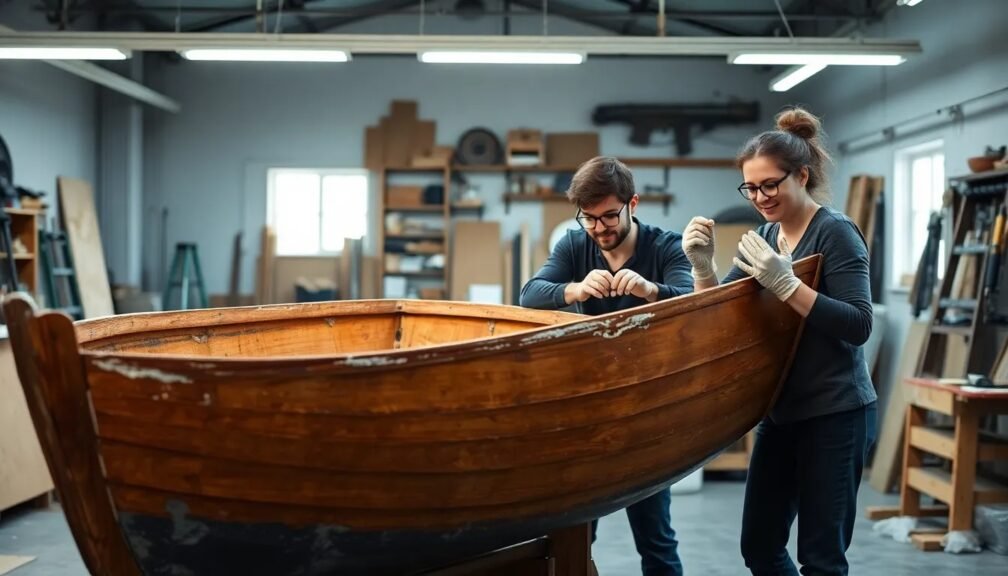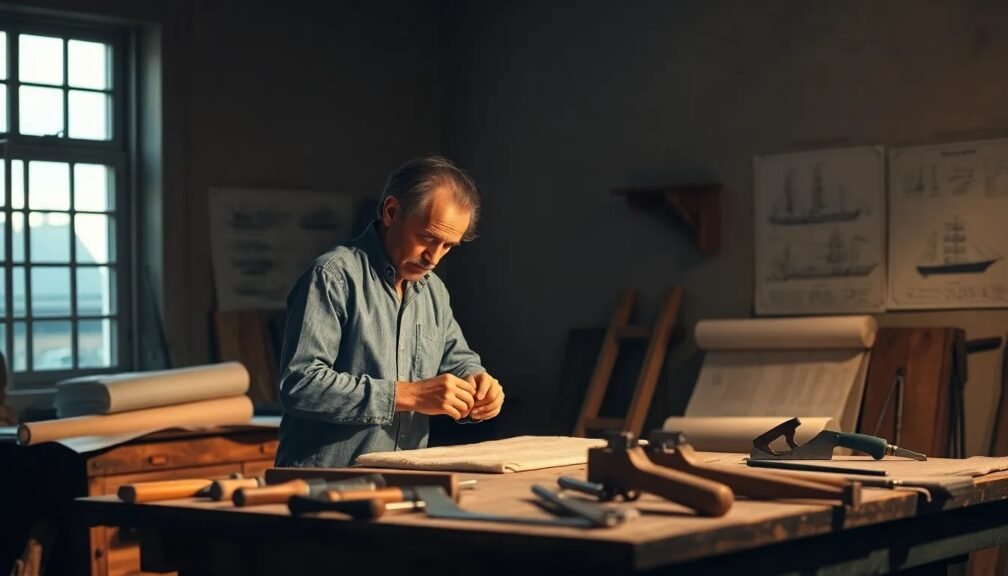
Are you captivated by the elegance of classic boats and seeking a fulfilling project that combines craftsmanship with maritime history? Classic boat restoration can be a deeply rewarding endeavor, bringing new life to storied vessels while providing a personal connection to the past. Whether you’ve just stumbled upon an old wooden sailboat or are eager to restore a vintage fiberglass model, this guide will offer essential tips for beginners.
Understanding Classic Boat Restoration
Classic boat restoration involves the process of reviving and repairing boats that possess historical significance, aesthetic charm, or a timeless design. It’s more than just fixing basic functionality; it’s about honoring the craftsmanship of yesteryear while applying modern materials and techniques to ensure longevity.
Why Restore a Classic Boat?
Restoring a classic boat is not merely a project; it’s a passion. Here are some compelling reasons to embark on this journey:
- Preservation of History: Each classic boat has its tale. By restoring it, you contribute to preserving maritime heritage.
- Skill Development: Boat restoration enhances various skills including woodworking, fiberglass work, and mechanical repairs, which can be valuable in other DIY projects.
- Community Connection: Engaging with fellow boat enthusiasts can foster relationships and networks.
- Sailing Experience: A restored classic boat can provide pleasure and memorable experiences on the water.
Getting Started with Classic Boat Restoration
1. Choose the Right Boat
Before diving headfirst into classic boat restoration, choose a vessel that aligns with your interests and skill level. Consider the following factors:
- Type of Boat: Sailboats, motorboats, or specialty vessels; each comes with unique challenges and appeal.
- Condition: Inspect the boat well. A stripped-down vessel may require more time and resources compared to one needing minor repairs.
- Availability of Parts: Ensure that parts are available for your model; some classic boats may have limited resources for restoration.
2. Gather Your Tools and Supplies
An essential aspect of classic boat restoration is having the right tools. Here’s a basic toolbox that you should consider building:
- Power Tools: Drill, orbital sander, jigsaw, and router.
- Hand Tools: Screwdrivers, hammers, wrenches, pliers, and chisels.
- Measuring Tools: Tape measure, square, and level.
- Safety Gear: Gloves, goggles, and respirators are crucial during restoration.
- Repair Materials: Depending on your boat’s materials, you may need wood, fiberglass kits, paints, and varnishes.
3. Assess and Plan Your Project
Before you begin a classic boat restoration, take the time to plan your approach. Follow these steps:
- Conduct a Thorough Inspection: Look for structural issues such as rot, cracks, or corrosion.
- Document Current Condition: Take photos and notes to visualize progress and make comparisons.
- Create a Checklist: List all repairs, restorations, and upgrades needed. An organized approach will save time and prevent missing tasks.
Techniques and Tips for Classic Boat Restoration
1. Structural Repairs
Address structural issues first. If the hull is damaged, consider the following:
- Wooden Boats: Look for rot; replace affected planks. Use proper techniques to ensure waterproof joints.
- Fiberglass Boats: Inspect for cracks; repair using a fiberglass patch and resin for strength.
2. Finishing Touches
After structural repairs, you can focus on aesthetics:
- Sanding and Varnishing: Sand surfaces thoroughly before applying varnish. Multiple thin layers yield a glossy finish.
- Painting: Choose marine-grade paint to enhance durability against water and sunlight exposure.
3. Mechanical Systems
Updating mechanical systems is vital for the operation of a classic boat:
- Engine Maintenance: Regularly check and maintain the engine or consider an engine swap for reliability.
- Electrical Systems: Upgrade wiring and electrical systems to avoid issues, especially for lights and navigation.
4. Seek Expert Advice
Don’t hesitate to consult experienced restorers, experts in vintage boat maintenance, or join online forums. Engaging with a community can provide invaluable insights and troubleshooting strategies.
Maintaining Your Restored Classic Boat
Once your classic boat restoration is complete, proper maintenance is essential to keep your vessel in prime condition:
- Regular Cleaning: Remove salt or dirt immediately after outings to prevent deterioration.
- Storage: Store your boat in a dry, sheltered area to protect it from severe weather conditions.
- Routine Inspections: Annually check for signs of wear or damage, ensuring all features remain functional.
Conclusion: Your Classic Boat Restoration Journey Awaits
Classic boat restoration is an enriching and rewarding journey that requires passion, patience, and commitment. By selecting the right boat, utilizing appropriate tools, and following a structured approach, you will not only enhance your skills but also create a beautiful vessel with a story. Remember, every scratch and line tells a tale, and your efforts will ensure that this tale continues to be told for generations to come.
Dive into your classic boat restoration project today—embracing the challenges, sharing in the joys, and ultimately savoring the experience of sailing a timeless piece of maritime history. Happy restoring!