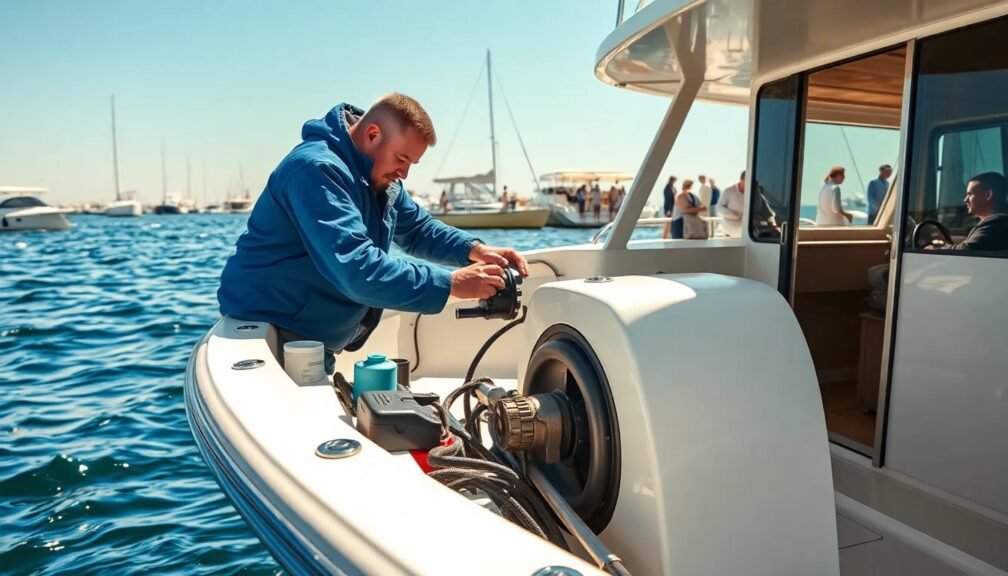
When it comes to maintaining maritime vessels, one critical component that often goes overlooked is the impeller. Whether you’re a seasoned mariner or a boat maintenance newbie, understanding how to efficiently manage impeller replacement is essential for the longevity and performance of your engine. In this article, we will guide you through everything you need to know to streamline the impeller replacement process, ensuring your vessel remains in top condition.
Understanding the Impeller
Before diving into the replacement process, let’s clarify what an impeller is. An impeller is a vital part of your boat’s water pump system, responsible for circulating cooling water through the engine. When an impeller begins to wear down—due to age, debris, or other factors—it can lead to overheating and significant engine damage.
Thus, regular inspections and timely impeller replacements are crucial for maintaining engine efficiency and longevity.
Signs You Need to Replace Your Impeller
Observing the signs that indicate you need an impeller replacement can save you from costly repairs. Here are some red flags to look out for:
1. Decreased Water Flow
If you notice reduced water flow from your vessel’s exhaust, it could signal that your impeller has worn out. Check your instrument panel; inconsistent temperature readings are also a good indicator.
2. Overheating Engine
A sudden increase in engine temperature can indicate that the cooling system isn’t functioning optimally. A failing impeller may be the root cause of insufficient water flow.
3. Unusual Noises
If you hear strange noises emanating from the engine compartment, it could be the impeller struggling to function. Strange grinding or rattling sounds are not typical and should be investigated immediately.
4. Visual Inspection
During routine checks, inspect the impeller for cracks, tears, or unusual wear. If the rubber blades appear damaged, it’s time for an impeller replacement.
Preparing for Impeller Replacement
Replacing an impeller isn’t just a matter of yanking out the old one and slapping in a new one. Proper preparation can save you time and trouble. Here’s how:
1. Gather Your Tools and Supplies
Before starting, ensure you have all necessary tools at hand. Typically, you will need:
- Screwdrivers
- Pliers
- Wrenches
- Replacement impeller
- Gasket sealant
- Lubricating oil
2. Read the Owner’s Manual
Your boat’s owner manual will often contain specific instructions related to your engine model’s impeller replacement. Always consult it for insights before you begin.
3. Safety First
Working on a boat engine can pose hazards. Ensure to:
- Disconnect the battery
- Allow the engine to cool
- Work in a well-ventilated area
Steps for a Seamless Impeller Replacement
Now that you’re prepared, let’s delve into the replacement process itself.
1. Access the Water Pump
The first step is to locate the water pump. Usually, this is situated near the engine. Depending on your engine type, you may need to remove covers or panels to gain better access.
2. Remove the Old Impeller
After accessing the water pump, carefully remove the old impeller. Be gentle, as it may be stuck. Use pliers or a specialized impeller tool if necessary. Take note of the orientation in which the impeller was positioned for easier installation of the new one.
3. Inspect the Pump Housing
Once you remove the old impeller, inspect the pump housing. Look for signs of wear or damage. If the housing is compromised, replace it along with the impeller.
4. Install the New Impeller
Apply a small amount of lubricant to the new impeller. Carefully install it in the same orientation as the old one, ensuring it fits snugly into the pump housing.
5. Reassemble and Test
Reassemble any components you removed and double-check all fittings and screws for tightness. Reconnect the battery and run your engine for a few minutes. Monitor for unusual noises or temperature increases.
6. Final Check
After running the engine, recheck for leaks or irregularities. Ensure the water is flowing correctly through the exhaust before concluding the process.
Aftercare: Maintaining Your New Impeller
You’ve successfully replaced your impeller; congratulations! However, your work isn’t quite done yet. Here are some essential tips for post-replacement maintenance:
1. Schedule Regular Inspections
Consistently examine your engine and impeller assembly. Regular inspections can catch issues before they escalate.
2. Use Quality Parts
Investing in high-quality replacement impellers can prolong the life of your engine. Avoid cheap substitutes, as these tend to wear out faster and could potentially damage your system.
3. Keep the Cooling System Clean
Debris, algae, and corrosion can hinder the performance of your cooling system. Regularly clean the strainer and ensure the intake is free from blockages.
Conclusion: Smooth Sailing Ahead with Effective Impeller Replacement
In summary, effective impeller replacement is essential for maintaining a healthy maritime vessel. By understanding the signs that indicate it’s time for a replacement and preparing adequately, you can make the process straightforward. Regular inspections and appropriate maintenance can extend the life of your water pump and, in turn, your boat’s engine.
Taking proactive measures like timely impeller replacements will ensure a smoother sailing experience. Armed with these tips, you’re well on your way to becoming an adept boat owner who understands the importance of every component in your vessel, including that often-overlooked yet crucial impeller. Now get out there, replace that impeller, and enjoy your time on the water with confidence!