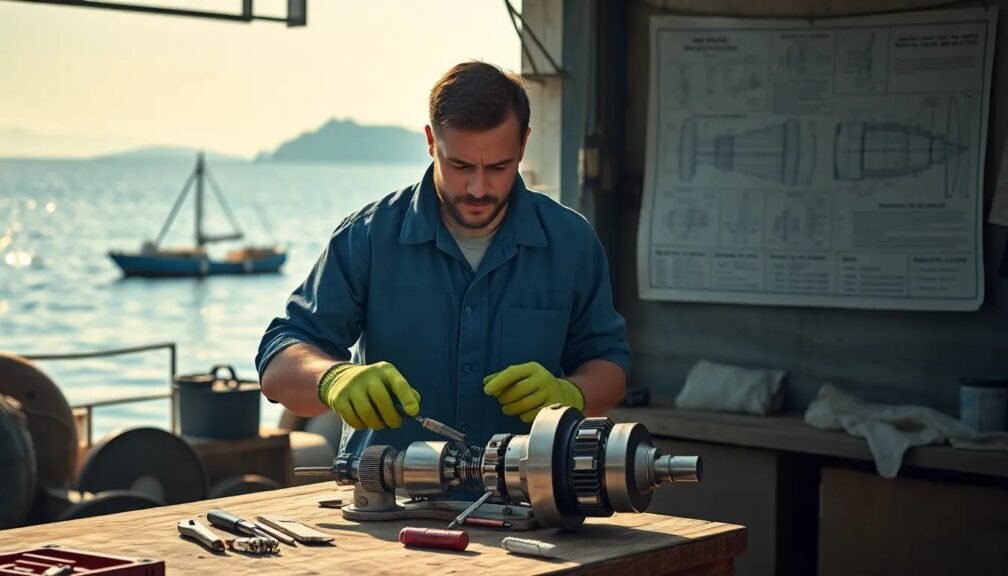
Owning a boat equipped with an inboard engine comes with its fair share of joys and challenges. The thrill of gliding across the water is unparalleled, but the responsibility of maintaining your vessel is equally important. Whether you’re a seasoned boater or a novice, understanding the ins and outs of inboard engine repair can save you time and money, allowing you to enjoy the open water with peace of mind. In this guide, we will delve into the top tips for DIY maintenance of your inboard engine and how to tackle common repairs.
Understanding Your Inboard Engine
Before diving into repairs, it’s crucial to have a solid understanding of how your inboard engine operates. An inboard engine is typically located within the hull of your boat, providing more space and better stability compared to outboard engines. Familiarize yourself with essential components like the engine block, cooling system, fuel system, electrical system, and the exhaust system.
The Basics of Inboard Engine Systems
-
Engine Block: This is the heart of your inboard engine. It houses the cylinders in which fuel and air combust to generate power.
-
Cooling System: Unlike cars, inboard engines often utilize seawater to cool the engine. Regular checks of the intake and discharge pipes are essential to prevent overheating.
-
Fuel System: This includes the fuel tank, lines, and injectors. Keeping these components clean and free of blockages is vital for optimal performance.
-
Electrical System: The ignition system, batteries, and wiring must be in good condition. Corrosion can cause electrical issues that might strand you in the middle of the water.
-
Exhaust System: Inspect for leaks or blockages to ensure exhaust gases are expelled correctly.
Essential Tools and Equipment for DIY Maintenance
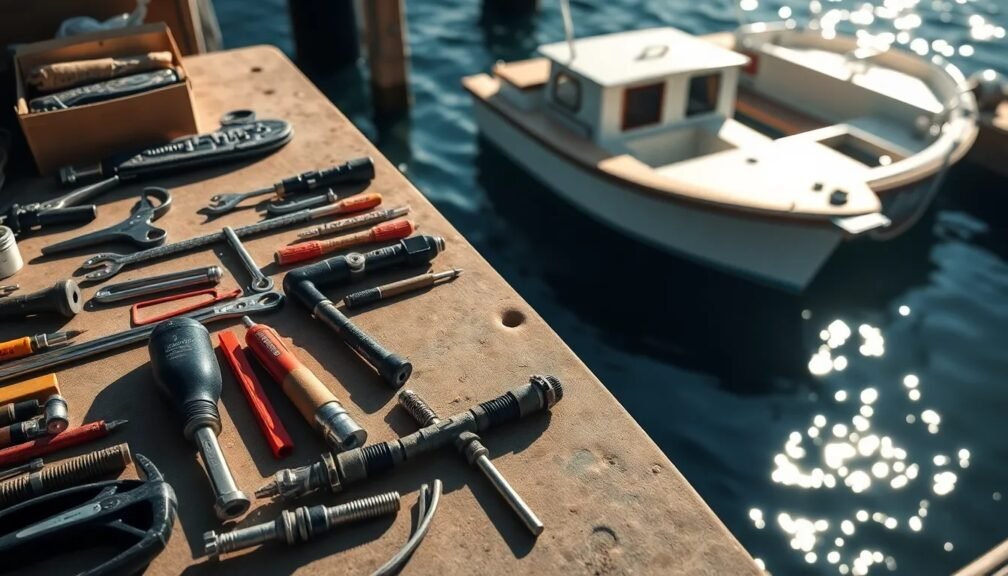
To effectively conduct inboard engine repair, having the right tools is essential. Here’s a list of must-have equipment for any DIY enthusiast:
- Socket Set: Ideal for loosening and tightening bolts.
- Wrenches: Keep both standard and adjustable wrenches on hand.
- Screwdrivers: Phillips and flathead screwdrivers are essential for various tasks.
- Multimeter: Useful for diagnosing electrical issues.
- Engine Oil and Oil Filter: Regular oil changes improve engine longevity.
- Coolant: Essential for maintaining engine temperatures.
- Safety Gear: Gloves, goggles, and masks are crucial for personal safety during maintenance.
Routine Maintenance Tips
Regular maintenance is key to avoiding costly inboard engine repairs. Follow these tips to keep your engine running smoothly.
1. Change the Oil Regularly
Changing the engine oil is arguably the most crucial maintenance task. Typically, it should be changed every 50 to 100 hours of operation or at the beginning of the boating season. Use high-quality oil that meets the specific requirements of your engine.
2. Inspect Cooling Systems
Since inboard engines use seawater for cooling, it’s essential to inspect the cooling system regularly. Look for clogs in the intake and check the impeller for wear. A failing impeller can lead to overheating, so replace it annually or according to the manufacturer’s guidelines.
3. Check and Replace Fuel Filters
Dirty fuel filters can lead to engine performance issues. Depending on usage, check and replace fuel filters every 100 hours or annually. This simple maintenance task can prevent fuel system clogs and ensure your engine runs smoothly.
4. Inspect the Electrical System
With inboard engines, battery maintenance is crucial. Ensure batteries are charged and connections are clean. Regularly inspect wiring for signs of wear or corrosion. Keeping electrical connections tight reduces the risk of unexpected failures while out at sea.
5. Clean the Air Filters
Air filters play a significant role in maintaining engine efficiency. Clean or replace them regularly to ensure your engine receives the optimal air-fuel mixture. A clogged air filter can lead to decreased performance and increased fuel consumption.
Common Inboard Engine Repairs and How to Tackle Them
Inboard engine repair may seem intimidating at first, but many common issues can be tackled with basic DIY skills. Here are some common repairs you might face:
1. Overheating
Overheating is one of the most common issues with inboard engines. If you notice your temperature gauge climbing too high, the first step is to check the cooling system. Look for blockages, inspect the impeller, and ensure proper flow through the water intake.
2. Fuel Leaks
Fuel leaks are dangerous and need immediate attention. Check fuel lines and connections for cracks or loose fittings. Tighten connections where necessary, and if lines are damaged, replace them immediately.
3. Start Problems
If your engine won’t start, the issue could stem from the ignition system or battery. Check the battery charge and clean the terminals. If the battery is in good condition, inspect the ignition coil and spark plugs for signs of wear.
4. Excessive Vibration
Excessive vibration can indicate an issue with the propeller or the shaft. Disconnect the propeller and inspect for damage. If the prop is bent or chipped, it may need to be repaired or replaced. Ensure the shaft is aligned correctly upon reassembly.
5. Engine Misfires
If your engine is misfiring, it could be related to fuel pump issues, spark plugs, or even air filters. Begin by checking spark plugs for wear and replacing them if necessary. Consult your engine manual for troubleshooting fuel system problems.
When to Seek Professional Help
While many inboard engine repairs can be handled DIY-style, some issues require professional expertise. If you’re facing complex electrical problems, significant engine overhauls, or if you’re unsure about proceeding, it’s best to consult a qualified marine mechanic. Additionally, any work under warranty should be performed by professionals to avoid voiding your warranty.
Actionable Insights for Your Inboard Engine Maintenance
Inboard engine repair and maintenance don’t have to feel overwhelming. Here’s a quick recap of actionable insights:
-
Create a Maintenance Schedule: Use a calendar to track oil changes, inspections, and repairs.
-
Stay Informed: Consult your owner’s manual for specific guidelines and recommended maintenance intervals.
-
Educate Yourself: Online forums, videos, and local boating clubs can provide valuable insights from fellow boaters.
-
Build a Network: Establish relationships with marine mechanics for advice and emergency support.
-
Document Everything: Keep a log of all maintenance performed, parts replaced, and repairs. This will help you track performance and address reoccurring issues more efficiently.
Conclusion
DIY inboard engine repair and maintenance can enhance your boating experience, providing confidence and saving on costly repairs down the line. Equipped with the right tools, regular maintenance practices, and an understanding of common issues, you’ll be well-prepared for whatever challenges your engine might present. Embrace the journey of maintaining your inboard engine, and enjoy the freedom of the open waters!