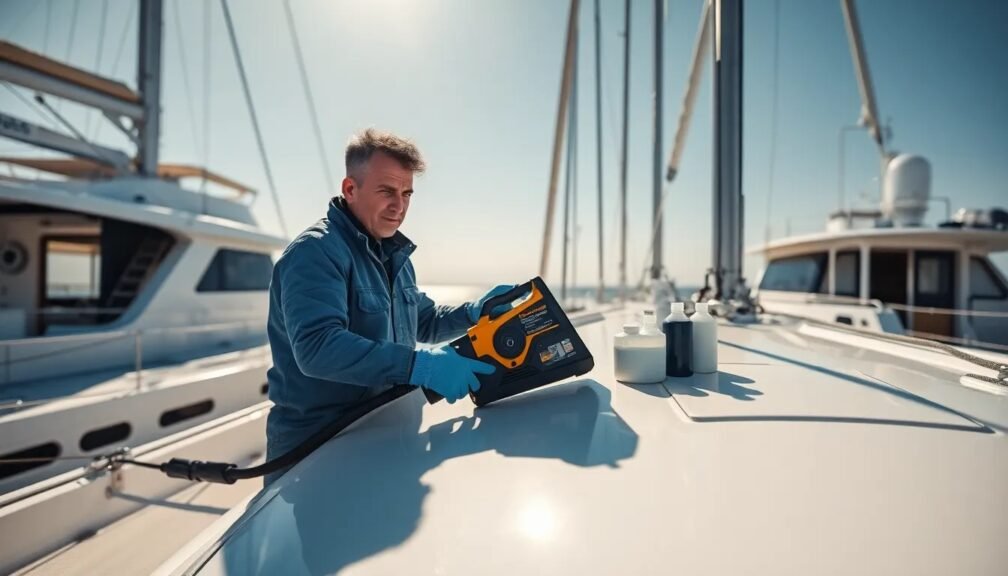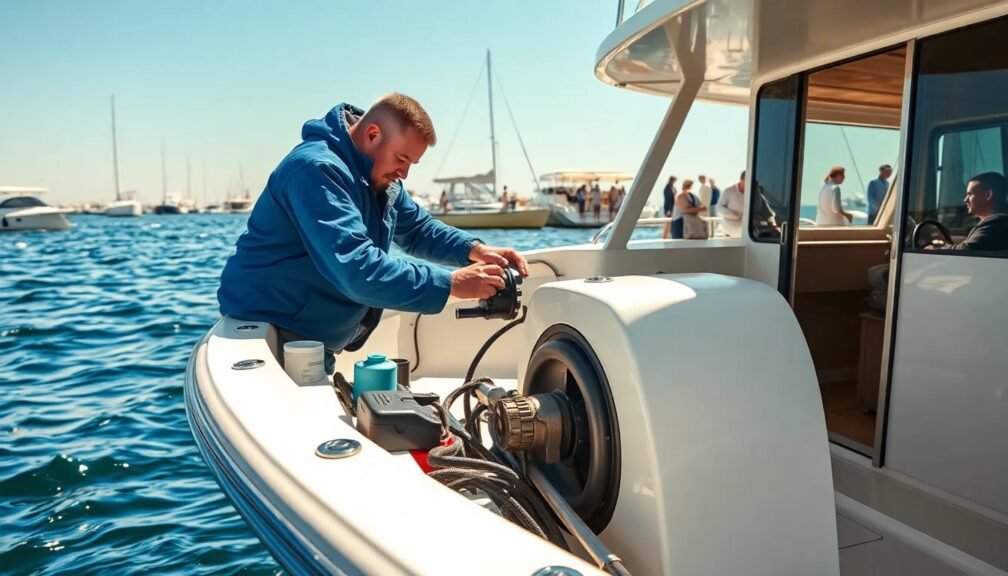
As a boat owner, one of the most critical components of your vessel is undoubtedly its battery. A reliable marine battery is essential for starting your engine, powering navigation equipment, and running critical appliances. Yet, like any other part of your boat, marine batteries don’t last forever. This article will walk you through everything you need to know about marine battery replacement, ensuring you keep your boat operational and your adventures uninterrupted.
Understanding Marine Batteries
Before diving into marine battery replacement, it’s essential to understand the different types of batteries available. Marine batteries can be broadly categorized into three types:
- Starting Batteries: Designed to provide a burst of energy to start the engine.
- Deep Cycle Batteries: Built for consistent power over extended periods, ideal for running electronics, lights, and appliances.
- Dual Purpose Batteries: A hybrid of both starting and deep cycle performance.
Knowing which type your boat requires is the first step in ensuring a successful marine battery replacement.
Signs That It’s Time for Battery Replacement
Identifying when it’s time for a marine battery replacement can save you from unexpected failures. Here are several indicators to watch out for:
1. Age of the Battery
Most marine batteries have a lifespan of 3 to 5 years. If your battery is approaching or exceeding this age, it may be time for a replacement.
2. Slow Engine Crank
If you notice a sluggish start or unusual sounds when trying to start your engine, your battery may be losing its charge and should be checked or replaced.
3. Corrosion or Damage
Inspect your battery terminals regularly. Excessive corrosion, leaking fluid, or physical damage can significantly reduce efficiency and indicate that replacement is necessary.
4. Frequent Jump-Starting
If you find yourself jump-starting your battery more often, it’s a clear sign that your battery may no longer hold a charge effectively.
5. Voltage Readings
Testing your battery’s voltage can provide insight into its health. A fully charged marine battery should read between 12.6 to 12.8 volts. If your readings are consistently lower, consider a replacement.
Choosing the Right Marine Battery
Not all marine batteries are created equal, and choosing the right one is crucial for your boat’s performance. Here are key factors to consider when selecting a new battery:
1. Capacity
Choose a battery that meets the specific power requirements of your boat. Look for the amp-hour (Ah) rating to ensure sufficient capacity for your engine and electrical systems.
2. Type of Battery
Decide whether you need a starting, deep cycle, or dual-purpose battery based on how you use your boat. For fishing trips requiring significant electronic use, a deep cycle battery will be more effective.
3. Size and Fit
Always check your boat’s specifications for battery size and weight. A poorly fitting battery can shift while cruising and potentially cause damage.
4. Brand Reputation
Investing in a battery from a reputable brand can make a significant difference in reliability and longevity. Brands that specialize in marine batteries often provide better warranties and customer support.
5. Cost
While it’s tempting to choose the cheapest option, consider the long-term value and reliability of your battery. Higher-quality batteries often come with better performance and longer lifespans.
How to Replace Your Marine Battery
Replacing your marine battery may seem daunting, but with the right steps, it can be accomplished with ease.
Step 1: Gather Your Tools
Before starting the replacement process, gather the necessary tools:
- Wrenches or sockets
- Safety glasses
- Battery puller (if needed)
- Cleaning materials (baking soda, water, and a brush)
Step 2: Disconnect the Old Battery
- Safety First: Wear gloves and safety glasses to protect yourself.
- Turn Off Power: Ensure that all electrical equipment is turned off before proceeding.
- Remove Cables: Disconnect the negative (-) terminal first, followed by the positive (+) terminal. This reduces the risk of sparks.
Step 3: Remove the Old Battery
Check if your battery has any additional securing mechanisms. Lift the old battery out of its compartment and set it aside carefully.
Step 4: Clean the Chels
Before installing the new battery, clean the terminals and the battery compartment with a mixture of baking soda and water. This helps prevent corrosion.
Step 5: Install the New Battery
- Position the New Battery: Carefully place the new battery in the compartment.
- Reconnect Cables: Connect the positive (+) terminal first, followed by the negative (-) terminal, ensuring tight connections.
Step 6: Test the Installation
Before putting everything back in its place, turn on the boat’s electrical systems to ensure everything is functioning properly.
Maintenance Tips for Longevity
Once you’ve completed your marine battery replacement, proper maintenance is crucial for ensuring its longevity:
1. Regular Inspections
Check connections, terminals, and fluid levels (if applicable) at least once a month.
2. Cleaning
Keep the battery clean and free from corrosion to maintain optimal performance.
3. Charging
Always charge your battery according to the manufacturer’s instructions, especially during long periods of inactivity.
4. Storage
If you’re storing your boat for an extended period, disconnect the battery and store it in a cool, dry place. A battery maintainer can help keep the charge stable.
5. Stay Informed
Stay updated on the latest technology and advancements in marine batteries. Newer models may offer enhancements that suit your boating needs.
Conclusion: The Power of Preparedness
Understanding marine battery replacement is essential for every boat owner looking to enhance reliability and enjoyment on the water. By knowing when and how to replace your battery, as well as how to maintain it, you ensure uninterrupted adventures on the waves.
Taking these actionable insights — regular inspections, choosing the right battery, and proper installation — will not only save you time and potential headaches but also ensure that your vessel is always prepared for the open sea. Whether you’re a seasoned captain or a novice sailor, mastering the art of marine battery replacement is a skill that will serve you well.
Embrace the power of preparedness to take your boating experience to the next level!