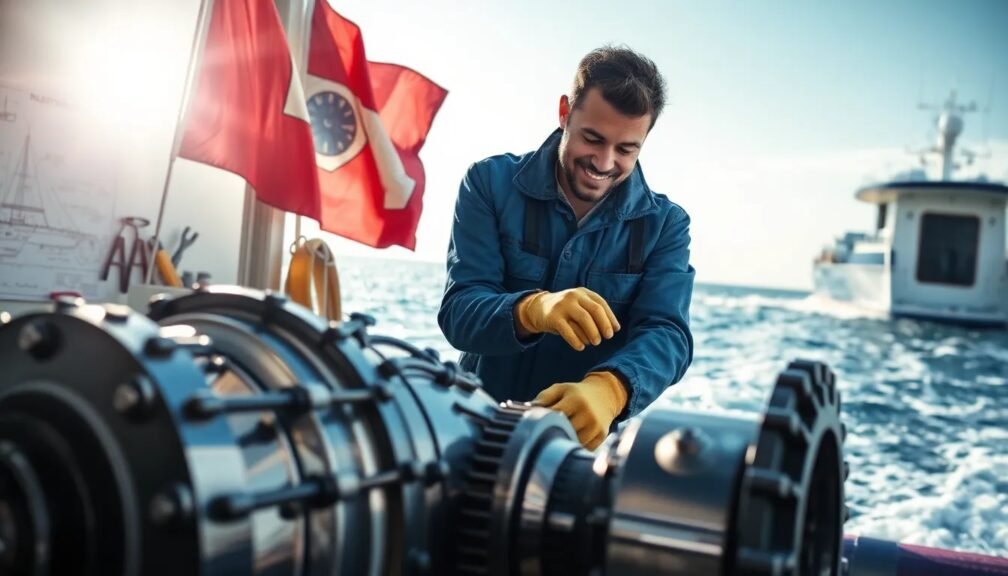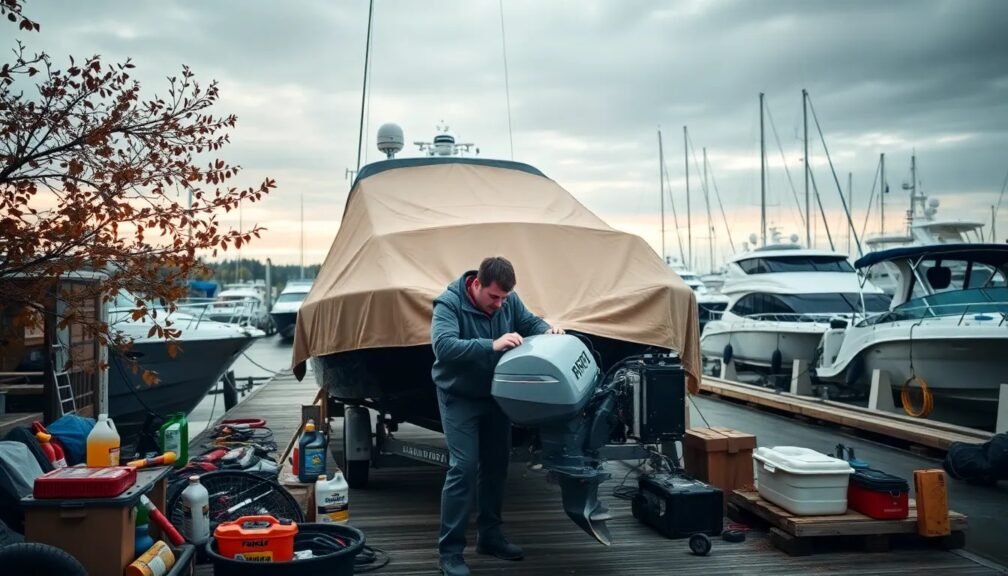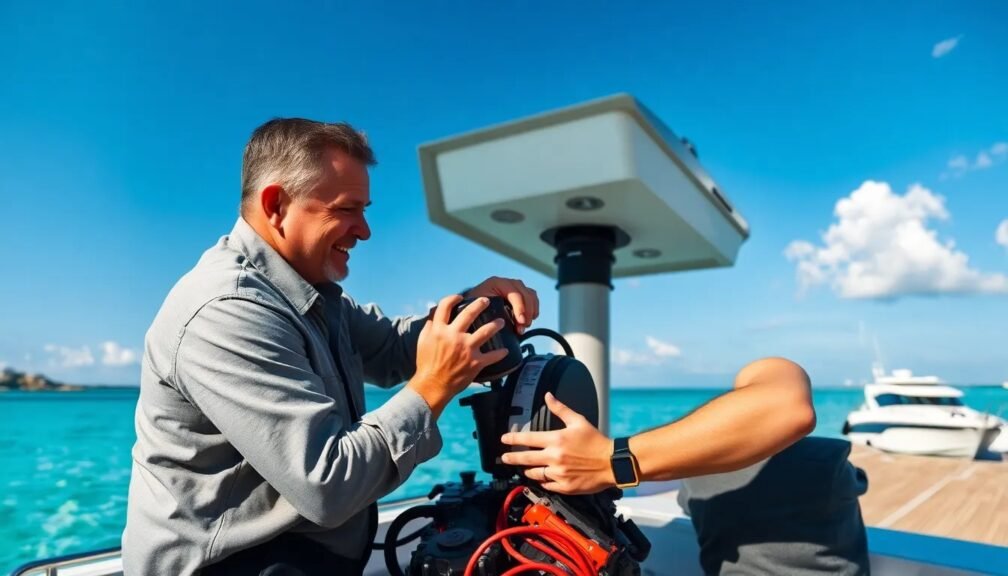
When it comes to maintaining your boat, one crucial aspect often overlooked is the marine filter replacement. Just like any mechanical vessel, your boat requires regular maintenance for optimal performance. A clean, efficient filtration system can significantly enhance fuel efficiency, prolong engine life, and ensure smooth sailing during your adventures on the water. In this article, we’ll delve into the importance of marine filter replacement and guide you on how to implement it effectively for improved performance.
Why Marine Filters Matter
1. Understanding Marine Filters
Marine filters are designed to serve various purposes, including fuel filtration, oil filtration, and air filtration. Each filter plays a vital role in ensuring that your boat operates smoothly:
- Fuel Filters: Clean your fuel system by trapping contaminants, preventing clogs.
- Oil Filters: Remove impurities from engine oil, ensuring optimal lubrication.
- Air Filters: Clean the air intake, which is crucial for efficient combustion.
2. Impact on Boat Performance
Neglecting marine filter replacement can lead to a myriad of issues:
- Reduced Efficiency: Clogged filters can cause engines to work harder, decreasing fuel economy.
- Engine Damage: Contaminants can enter the engine, causing premature wear and expensive repairs.
- Environmental Impact: Poor fuel efficiency means increased emissions, harming marine ecosystems.
Regular replacement of marine filters is essential for maximizing efficiency and performance.
Signs It’s Time for a Marine Filter Replacement
1. Decreased Engine Performance
If you notice a decline in power when accelerating, it might be time for a marine filter replacement. Clogged filters restrict the flow of fuel or air, leading to inefficient combustion.
2. Unusual Noises from the Engine
Strange noises might indicate that the engine is struggling due to a lack of adequate filtration. This could point to a filter that needs immediate attention.
3. Higher Fuel Consumption
A sudden increase in fuel usage can be a tell-tale sign that your filters are blocked, restricting the flow and forcing your engine to work harder.
4. Warning Lights
Modern boats may have dashboard indicators that alert you to maintenance needs. If you see a warning light regarding your fuel or engine system, check your filters.
The Marine Filter Replacement Process
1. Gather Necessary Tools and Supplies
Before starting the marine filter replacement, ensure you have the following:
- New filters (fuel, oil, air as needed)
- Wrenches or screwdrivers
- Oil catch pan
- Rags for cleanup
- Safety glasses and gloves
2. Choose the Right Filters
It’s vital to pick high-quality filters that suit your specific boat model. Consult your owner’s manual or a trusted marine supply store.
3. Fuel Filter Replacement Steps
- Locate the Fuel Filter: Usually situated near the fuel tank or engine.
- Disconnect Fuel Lines: Use caution, as fuel may spill.
- Remove Old Filter: Unscrew or unclip as per the manufacturer’s guidelines.
- Install New Filter: Ensure the arrow on the filter points in the correct direction toward the engine.
- Reconnect Fuel Lines: Securely fasten all lines and check for leaks before starting the engine.
4. Oil Filter Replacement Steps
- Prepare: Gather your tools and ensure you have the right replacement.
- Drain Oil: Remove the oil drain plug to allow old oil to escape into the catch pan.
- Remove Old Filter: Use an oil filter wrench to take off the old filter.
- Lubricate New Filter: Apply a small amount of clean oil to the rubber seal of the new filter.
- Install New Filter: Tighten it by hand, ensuring a secure fit without overtightening.
- Replace Drain Plug: Once the oil has drained fully, replace the plug and refill with new oil.
5. Air Filter Replacement Steps
- Locate the Air Filter: Usually housed in the engine compartment.
- Remove Cover: Unscrew or unclamp the cover to access the filter.
- Take Out the Old Filter: Ensure no debris enters the intake.
- Insert New Filter: Place the new filter, ensuring a snug fit.
- Reattach the Cover: Secure it back in place.
6. Disposal of Old Filters
Don’t forget to dispose of old filters properly. Many marine supply stores offer recycling services, or you can check local regulations for hazardous waste disposal instructions.
Enhancing Your Boat’s Performance Post-Replacement
1. Regular Maintenance Schedule
To keep your boat running smoothly, create a maintenance schedule, including regular marine filter replacement, ideally every 100 hours of operation or at least once a season.
2. Monitor Engine Performance
Post-replacement, pay attention to how your boat’s engine performs. This can provide valuable insights and allow you to catch any potential issues early.
3. Use High-Quality Fuel
Invest in high-quality fuel and protective additives to further safeguard your filters and engine against contaminants.
4. Routine Inspections
In addition to scheduled replacements, conduct regular inspections of your filters. Spotting wear and tear early can prevent larger, costlier problems down the line.
Conclusion: Make Marine Filter Replacement a Priority
Prioritizing marine filter replacement is an investment in your boat’s longevity and performance. A clean filter system not only enhances fuel efficiency but also protects your engine and the environment. By recognizing the signs that it’s time for a replacement, understanding the process, and committing to regular maintenance, you can ensure your boat is always ready for your next adventure on the water.
Take action today! Ensure your marine filters are clean and properly replaced to keep your boat sailing smoothly. Happy boating!