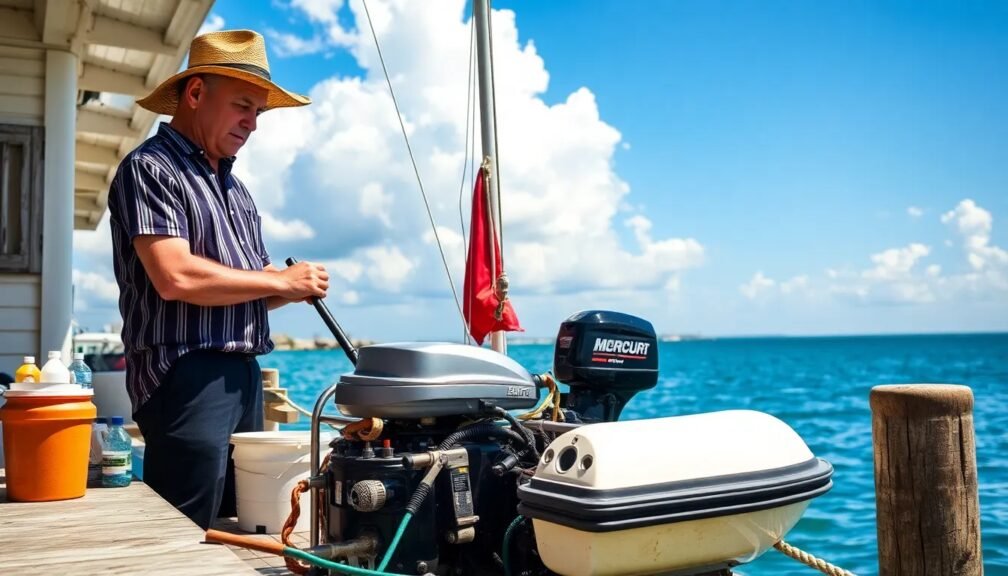
When it comes to boat ownership, nothing is more rewarding than the freedom of navigating open waters. However, along with that joy comes the responsibility of maintenance. In the world of marine repair, DIY boat maintenance is not just a cost-effective solution; it’s also a vital skill that every boat owner should master. By learning essential techniques, you can save money, prolong the life of your vessel, and enhance your boating experience. This article will guide you through vital tips and best practices for effective marine repair.
Understanding the Basics of Marine Repair
Before diving into specific maintenance tips, it’s crucial to understand what marine repair entails. At its core, it includes a variety of tasks ranging from engine maintenance to hull inspections. Understanding some basic terminologies and concepts can significantly enhance your confidence to tackle these repairs.
Importance of Regular Maintenance
Regular maintenance is the heartbeat of a well-functioning boat. Just like a car, your vessel is subject to wear and tear. Regular checking can prevent minor issues from escalating into costly repairs. Plus, well-maintained boats are typically more fuel-efficient and safer.
Key Areas of Focus in Marine Repair
1. Hull Maintenance
The hull of your boat is exposed to harsh elements, making it one of the most crucial areas to inspect and maintain.
Cleaning and Inspections
- Wash Regularly: Use a soft brush and marine soap to remove algae, barnacles, and other debris.
- Inspect for Damage: Check for cracks, blisters, and signs of wear. Address these issues promptly to prevent water intrusion.
Anti-fouling Paints
Applying anti-fouling paint is vital for inhibiting barnacle growth. Make sure to choose a suitable paint for your boat’s environment.
2. Engine Maintenance
The engine is the powerhouse of your vessel; keeping it in top shape is critical for smooth sailing.
Regular Oil Changes
Changing your engine oil regularly is one of the simplest yet most effective marine repair tasks. Use marine-grade oil and follow your manufacturer’s recommendations.
Check the Fuel System
- Inspect Fuel Lines: Look for cracks or leaks.
- Replace Fuel Filters: A clean fuel system ensures optimal performance.
3. Electrical System Care
Boats rely heavily on an electrical system for navigation, communication, and other necessities. Neglecting this part can lead to significant issues.
Battery Maintenance
- Check Connections: Ensure that terminals are clean and free of corrosion.
- Test Battery Levels: Regularly test the voltage and replace batteries as needed.
Inspect Wiring
Look for exposed or frayed wires, which can pose a fire hazard. Use marine-grade wiring for replacements, as it withstands moisture better than standard wiring.
4. Safety Equipment Checks
No marine repair guide would be complete without emphasizing the importance of safety equipment. Ensure all gear is functioning correctly.
Life Jackets and Vests
Check for wear and tears in life jackets, and regularly sanitize them to remove bacteria and odor.
Fire Extinguishers
Inspect fire extinguishers for expiration dates and ensure they are readily accessible.
Seasonal Maintenance Tips
Different seasons pose different challenges for boat maintenance. Here’s a breakdown by season:
Spring: Getting Ready for the Water
- Check Moisture Levels: Ensure that all compartments are dry.
- Fuel System Check: Ensure fuel is fresh and filters are clean.
Summer: Peak Boating Season
- Frequent Inspections: Regularly check for signs of wear after each use.
- Water Systems: Ensure plumbing systems are clear of blockages.
Autumn: Prepping for Storage
- Winterizing: Drain water systems to prevent freezing.
- Final Inspection: Address any minor issues before the boat is stored away.
Winter: Off-season Maintenance
- Storage Solutions: Consider storage options that prevent moisture buildup.
- Routine Checks: Even when not in use, ensure that your boat remains in prime condition through occasional checks.
DIY Marine Repair Tools to Have on Hand
Investing in the right tools can make marine repair tasks easier and more efficient.
- Basic Tool Kit: A set of screwdrivers, wrenches, and pliers is essential.
- Multimeter: This is crucial for testing electrical systems and ensuring battery health.
- Wire Stripper/Cutter: Essential for any electrical wiring repairs.
- Marine Adhesive and Sealant: Useful for quick fixes on the hull and for preventing leaks.
- Cleaning Supplies: Brushes, sponges, and marine-grade cleaners should be staples in your toolkit.
Final Tips for Effective Marine Repair
Always Refer to the Manual
Your boat’s manufacturer provides a wealth of information on maintenance and repair. Always keep the manual handy for reference.
Document Your Work
Maintaining a log of repairs and maintenance helps keep track of what’s been done. This documentation can be handy for both personal reference and reselling your boat in the future.
Know Your Limits
Not all repairs are suitable for DIY. If you encounter a complex issue, seeking professional assistance may save you time and money in the long run.
Conclusion: Embrace DIY Marine Repair
Experiencing the satisfaction of repairing your vessel can deepen your appreciation for boating. By taking proactive steps towards marine repair, you ensure that your boat remains a reliable partner for your adventures on the water. Remember, maintaining your boat not only saves money but also enhances safety and performance.
Embrace the responsibility of DIY boat maintenance and watch your skills grow alongside your vessel’s longevity. Happy boating!