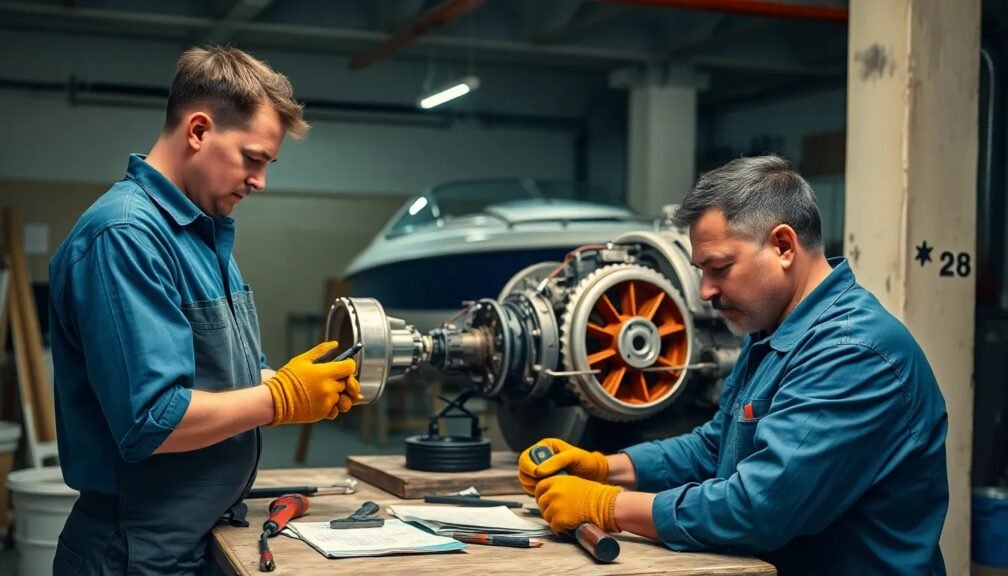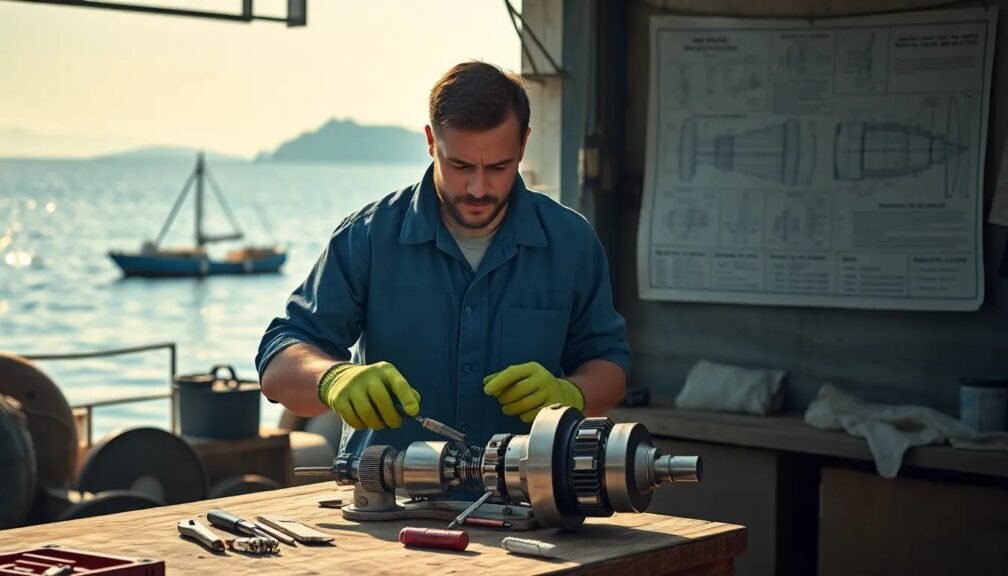
When it comes to navigating the open waters, your boat’s throttle system is crucial for smooth sailing. A malfunctioning throttle can lead to frustrating experiences and even dangerous situations on the water. Understanding marine throttle repair can save you time, money, and perhaps even your vessel. In this article, we’ll discuss common issues, quick fixes, and essential maintenance tips to keep your throttle in top-notch condition, ensuring smooth sailing every time you set out.
Understanding the Basics of Marine Throttle Systems
Before diving into marine throttle repair, it’s essential to understand how throttle systems function. In layman’s terms, the throttle controls the engine’s power output, allowing you to speed up or slow down based on your needs. There are two primary types of throttle systems: mechanical and electronic.
-
Mechanical Throttle: This system uses cables and pulleys to control engine speed. It’s often found in older boats and offers direct feedback to the operator.
-
Electronic Throttle: More common in modern vessels, this system relies on electronic signals to control the engine. It offers more precision but can be prone to electrical issues.
Signs You Need Marine Throttle Repair
Recognizing the symptoms of throttle issues is the first step towards effective marine throttle repair. Here are some common signs that indicate your throttle system may need attention:
-
Sticking Throttle: If your throttle lever sticks or feels sluggish, it may be due to dirt buildup or a failing cable.
-
Unresponsive Throttle: An unresponsive throttle can lead to dangerous situations, especially if you can’t accelerate or decelerate quickly.
-
Erratic Engine Behavior: If your boat accelerates or decelerates unexpectedly, it’s a clear sign something’s amiss.
-
Warning Lights: Many modern boats equipped with electronic throttle systems will illuminate warning lights when there’s a problem.
Common Problems and Quick Fixes
Let’s break down some common throttle problems and quick fixes you can do during marine throttle repair.
1. Sticking Cable
Symptoms: Difficulty in moving the throttle lever smoothly.
Quick Fixes:
- Lubrication: Use a marine-grade lubricant to spray the cable connection points. Ensure that you’re not oversaturating; a little goes a long way.
- Inspection: Check for any visible frays or damages in the cable. If the cable is damaged, immediate replacement is recommended to avoid further complications.
2. Faulty Throttle Control Unit
Symptoms: Inconsistent throttle response.
Quick Fixes:
- Connections Check: Inspect all electrical connections to ensure they are secure and free of corrosion.
- Battery Inspection: A weak battery can cause erratic electronic throttle behavior. Ensure your battery is fully charged and connections are clean.
3. Filter and Fuel Issues
Symptoms: Engine stalling or poor acceleration.
Quick Fixes:
- Fuel Filter Replacement: A clogged fuel filter can restrict fuel flow. Replacing your fuel filter regularly as part of maintenance can prevent these issues.
- Fuel Line Check: Inspect the fuel lines for blockages or leaks. Any damaged sections should be repaired or replaced immediately.
Preventative Maintenance Tips for Smooth Sailing
To avoid the headaches of marine throttle repair, proactive maintenance is key. Here are some helpful tips to keep your throttle system in optimal condition.
Regular Inspections
Conduct regular inspections of your throttle system, looking for wear and tear. Check for frayed cables, corrosion on electrical connections, and any signs of oil leakage. Being vigilant can save you from more extensive repairs down the line.
Proper Lubrication
Lubricate all moving parts within the throttle system periodically. Using a marine-specific lubricant will help to withstand the harsh conditions of a marine environment.
Cleanliness is Key
Keep your throttle control area free from dirt and debris. This will help in maintaining smooth operation and prevent any unwanted stickiness in the throttle lever.
Seasonal Servicing
Consider having your throttle system serviced at the beginning and end of each boating season. A professional marine technician can spot issues early and perform any necessary repairs.
When to Seek Professional Help
While many marine throttle issues can be fixed with DIY methods, certain problems should be left to the professionals. If you’re facing persistent issues that don’t resolve with quick fixes or if you’re uncomfortable working on your boat’s system, seek help from a qualified marine technician.
This is especially true for:
- Complex electronic systems where specialized equipment may be required.
- Significant mechanical failures causing safety concerns.
Conclusion: Set Sail with Confidence
Understanding marine throttle repair can significantly enhance your boating experience, offering peace of mind on the water. Regular inspections, timely repairs, and practicing preventative maintenance can make all the difference in ensuring smooth sailing for years to come.
Whether you’re taking a leisurely cruise or engaging in exciting watersports, being proactive about maintaining your throttle system will keep you safe and can transform your time spent on the water. Always remember that a well-maintained throttle means a more enjoyable and stress-free outing.
Actionable Insights: Start by checking your throttle system today. Look for common issues and apply quick fixes where you can. Make a checklist for routine inspections and maintenance, and don’t hesitate to reach out for professional help when needed. Smooth sailing awaits!