Marine welding is a specialized skill that plays a crucial role in the construction and maintenance of boats and ships. It involves fabricating and repairing marine structures made from various metals, ensuring they can withstand the unique challenges posed by saltwater environments. Whether you’re interested in pursuing a career in marine welding or simply looking to enhance your DIY projects on the water, understanding the fundamentals is essential. This article offers essential tips and insights for beginners, ensuring you’re well-equipped to embark on your marine welding journey.
Understanding Marine Welding
What is Marine Welding?
Marine welding refers to the process of joining materials—primarily metal—through the application of heat and pressure. This process is vital for constructing and repairing marine vessels, offshore platforms, and various marine infrastructure. The welding methods used in this field often include MIG welding, TIG welding, and flux-cored arc welding, each with its unique applications and benefits.
Importance of Marine Welding
Marine welding is not just about joining metal pieces; it ensures the structural integrity and longevity of vessels that navigate harsh marine environments. Proper welds can prevent catastrophic failures at sea, protecting both the crew and the investment in the vessel. Additionally, understanding marine welding can empower boat owners to perform essential repairs, enhancing their self-sufficiency and reducing maintenance costs.
Essential Tools for Marine Welding
Before you dive into marine welding, it’s crucial to have the right tools at your disposal. Here are some essentials you should consider:
1. Welding Machine
A reliable welding machine is the backbone of any welding project. For beginners, MIG (Metal Inert Gas) welding machines are recommended due to their ease of use and versatility. As you gain more experience, you may want to explore TIG (Tungsten Inert Gas) welding for finer control on stainless steel materials.
2. Welding Rods Electrodes
Depending on the welding method you choose, you will need specific rods and electrodes. Stainless steel rods are commonly used in marine environments because they resist corrosion and maintain strength in wet conditions.
3. Personal Protective Equipment (PPE)
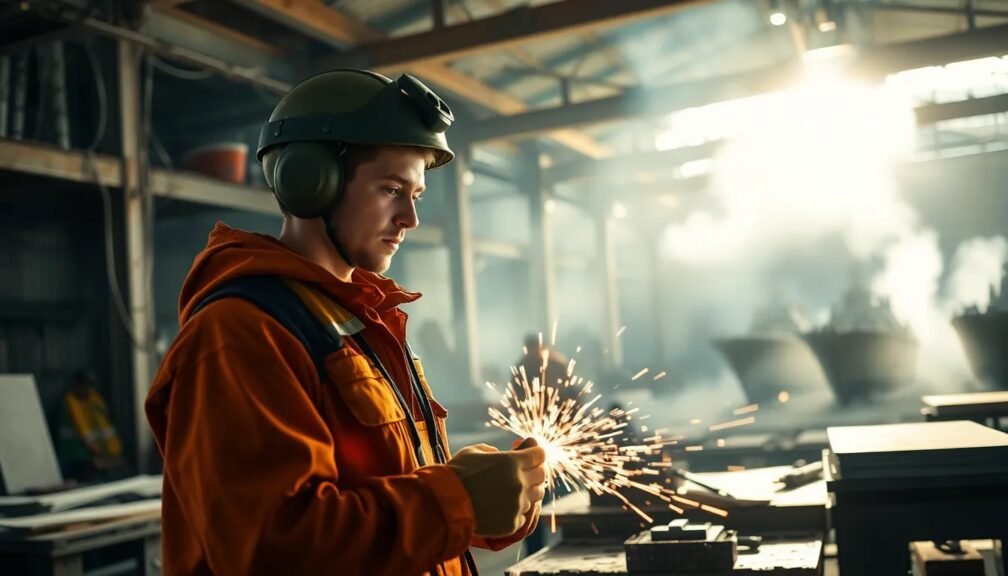
Safety is paramount in marine welding. Ensure you invest in high-quality PPE, including:
- Welding helmet: Protects your eyes and face from UV radiation and sparks.
- Gloves: Heat-resistant gloves safeguard your hands from burns.
- Protective clothing: Flame-resistant garments prevent accidents.
4. Cleaning Tools
Keeping your welding area clean is essential for achieving strong welds. Use brushes, grinders, and solvents to remove rust, dirt, and oil from metal surfaces before welding. This preparation helps in ensuring proper adhesion and reduced defects in your welds.
Basics of Marine Welding
1. Understanding Metal Types
In marine welding, you will frequently encounter various metals, including aluminum, steel, and stainless steel. Each type requires different techniques and filler materials. For instance, aluminum is lighter but more challenging to weld due to its oxidation layer.
2. Welding Techniques
Familiarize yourself with the most common welding techniques:
- MIG Welding: Ideal for beginners due to its ease of use and adaptability.
- TIG Welding: Provides greater control, especially on thinner metals, but requires more skill.
- Stick Welding: Good for outdoor work, though it can be less visually appealing than other methods.
3. Welding Positions
Understanding different welding positions is crucial. As a beginner, practice in the flat position first before trying vertical or overhead positions, which can be more challenging and require advanced skills.
Best Practices in Marine Welding
1. Proper Preparation
Preparation is critical in marine welding. Ensure the surfaces are clean and free from contaminants. Use the appropriate filler material for the metal being welded to ensure compatibility and strength.
2. Consistent Technique
Uniformity is key to strong welds. Practice maintaining a consistent travel speed and angle while welding. This consistency helps prevent defects like undercutting or excessive spatter that can compromise the weld.
3. Monitor Heat Input
Excessive heat can lead to warping and metal degradation over time. Use the right settings on your welding machine and maintain a steady pace to manage heat input effectively.
4. Inspection
After completion, inspect your welds for imperfections. Look for signs of porosity, cracks, or gaps. If you find any issues, take the time to grind the weld down and redo it if necessary.
Common Mistakes to Avoid
1. Ignoring Safety Protocols
Safety should never be compromised. Always adhere to safety protocols to protect yourself from accidents and health risks associated with welding.
2. Skipping Preparation
Neglecting surface preparation can result in weak welds. Always clean the metal and prepare your work area properly before starting.
3. Overlooking Environmental Factors
Welding in a marine environment poses unique challenges, including wind and moisture, which can affect your technique. Always assess conditions before beginning a welding project.
Conclusion: Taking the Next Steps in Marine Welding
Embarking on your journey in marine welding can be both exciting and rewarding. By understanding the fundamental techniques, tools, and safety measures, you’ll be well on your way to mastering this essential skill. Remember that practice makes perfect—consistent effort and learning will lead you to become a proficient marine welder.
Actionable Insights:
- Invest in Quality Tools: Prioritize your budget on essential welding machines and PPE.
- Fundamental Training: Consider taking a course or apprenticeship to get hands-on experience.
- Practice Regularly: Set aside time to practice various welding techniques, focusing on consistency and quality.
- Join a Community: Engage with other marine welders through forums or local welding clubs. Sharing experiences and tips is invaluable.
- Stay Informed: Keep up with the latest techniques and technologies in marine welding to continually improve your skills.
By implementing these tips and continually honing your craft, you’ll not only gain expertise in marine welding but also enjoy the sense of satisfaction that comes from creating robust structures that can weather the test of time. Happy welding!