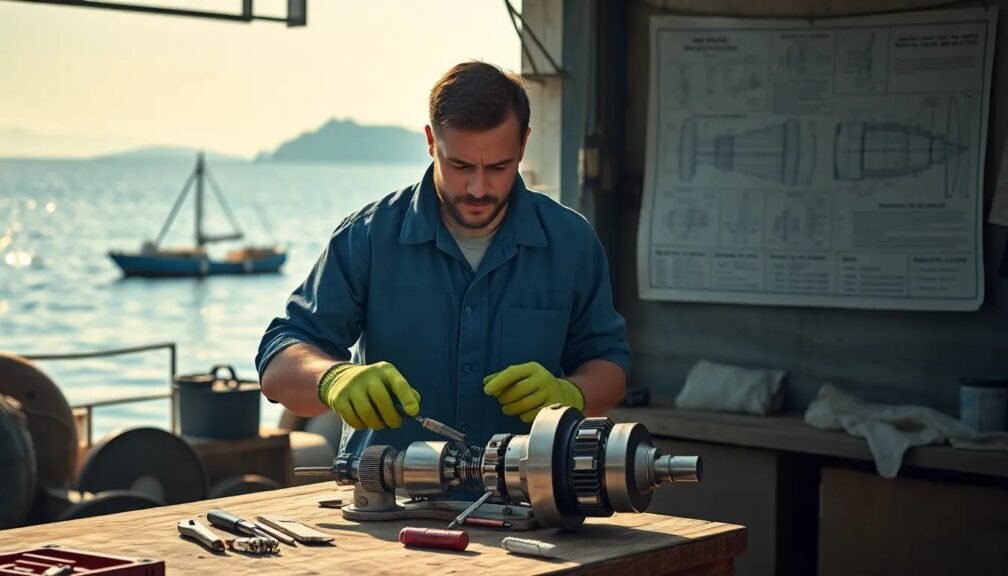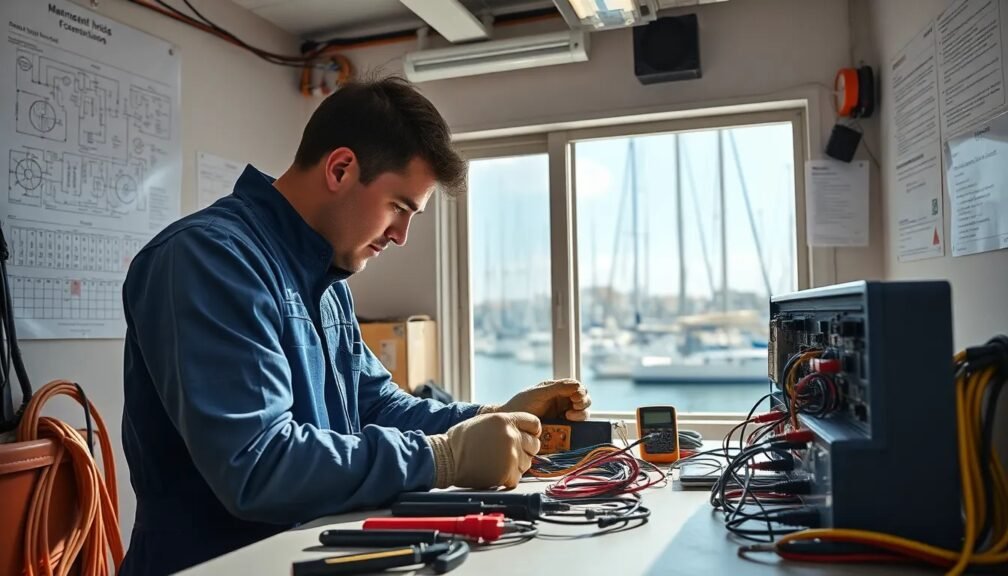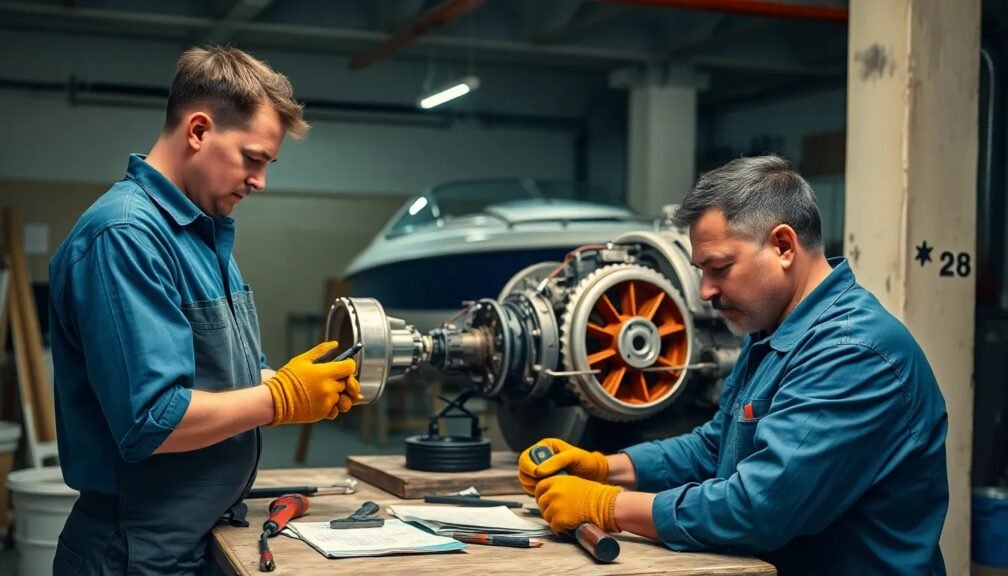
Maintaining your boat’s engine and propulsion systems is key to ensuring smooth sailing on the water. When it comes to stern drives, proper care and timely repairs can make all the difference between a fun day on the lake and a costly trip to the mechanic. This comprehensive guide will walk you through essential tips for stern drive repair, highlighting DIY fixes you can manage on your own.
Understanding Stern Drives
Before diving into repairs, it’s crucial to understand what a stern drive is. Often known as an inboard/outboard (I/O) engine, a stern drive combines the power of an inboard engine with the benefits of an outboard motor. This system comprises several complex components, including the engine, gear box, and the lower unit. Problems can arise in any of these areas, prompting the need for some DIY intervention.
Common Stern Drive Problems
Several common issues can afflict your stern drive, and recognizing them early can save you time and money. Here are a few frequent culprits:
-
Overheating: This can result from a clogged cooling system or low coolant levels.
-
Gear Failure: Worn gears may lead to slipping or difficulty in shifting.
-
Leaking Fluid: Leaks often develop in the lower unit, affecting lubrication and performance.
-
Corrosion: Saltwater exposure can quickly lead to corrosion, damaging various parts of your stern drive.
-
Electrical Issues: Faulty wiring or connections can hinder the engine’s operation.
Essential Tools for Stern Drive Repair
Before you embark on your DIY repair journey, ensure you have the following tools on hand:
- Wrenches and Socket Set: Essential for loosening and tightening bolts.
- Screwdrivers (Flat and Phillips): Helpful for accessing various components.
- Pliers: Useful for gripping and pulling.
- Multimeter: Essential for diagnosing electrical issues.
- Oil Catch Pan: Needed to manage any fluids that may leak during repairs.
- Replacement Parts: Make sure you have essential parts on hand, such as water pumps and gaskets.
Step-by-Step Guide to Basic Stern Drive Repair
Inspection and Diagnosis
The first step in stern drive repair is proper diagnosis. Start with a thorough inspection:
-
Visual Examination: Look for signs of wear and tear, leaking fluids, or corrosion. Pay close attention to connections and hoses.
-
Fluid Levels: Check the oil and coolant levels. Low levels can lead to major issues, including overheating.
-
Listen for Unusual Noises: Noise can indicate problems within the gears or components. Humming or grinding noises often signal that something is amiss.
Addressing Common Issues
Overheating
If you suspect overheating, follow these steps:
-
Check the Water Intake: Make sure the intake isn’t clogged.
-
Inspect the Water Pump: A faulty water pump often leads to inadequate water circulation. Replace it if necessary.
-
Examine Hoses for Kinks: Kinked or damaged hoses can restrict water flow. Replace as needed.
Gear Failure
For gear issues:
-
Transmission Fluid Level: Ensure the fluid isn’t low, as this can lead to gear failure.
-
Inspect Gears: Examine the gears for signs of wear. If damaged, replacement is necessary.
-
Shifting Mechanism: Ensure the shifting mechanism is functioning correctly. Adjust as needed.
Leaking Fluid
To tackle fluid leaks:
-
Identify Source: Locate where the leak is coming from, often the lower unit or the bellows.
-
Tighten Connections: Sometimes, simply tightening fittings can fix a leak.
-
Seal or Replace: If the leak persists, replace worn seals or gaskets.
Corrosion Control
If corrosion is an issue, consider the following:
-
Cleaning: Use a wire brush to remove surface rust and corrosion from metal parts.
-
Apply Protective Coating: After cleaning, use anti-corrosion spray or paint to protect exposed areas.
-
Regular Checks: Make it a habit to regularly check for signs of corrosion, especially after exposure to saltwater.
Electrical Issues
To troubleshoot electrical problems, follow these steps:
-
Check Battery Connections: Ensure all connections are secure and corrosion-free.
-
Use a Multimeter: Test for voltage levels to identify battery or wiring issues.
-
Inspect Fuses: Replace any blown fuses that may be preventing the engine from starting.
Regular Maintenance Prevents Repairs
One of the best pieces of advice for maintaining your stern drive is to focus on regular maintenance. Here are some key tasks to keep your unit running smoothly:
-
Routine Inspection: Regularly inspect all components of your stern drive for signs of wear.
-
Fluid Changes: Change the oil and coolant according to your manufacturer’s specifications.
-
Clean Filters: Ensure that fuel and oil filters are clean and replaced as necessary.
-
Winterizing: Properly winterize your boat to protect against cold weather damage.
-
Professional Help: Don’t hesitate to consult a professional mechanic for diagnosis if you’re stuck.
Conclusion: Stay Proactive with Stern Drive Repair
Stern drive repair doesn’t have to be daunting. With the right tools, knowledge, and a proactive approach to maintenance, many common problems can be addressed without professional help. Regular inspections, timely fixes, and preventive care will extend the life of your stern drive and keep you enjoying your time on the water.
By following these essential tips and learning to manage minor repairs yourself, you empower yourself as a boat owner. You can take on the responsibility and pride that comes with caring for your vessel. So gear up, dive into those repairs, and get ready for a smoother sailing experience!
Take action now by inspecting your stern drive for any potential issues, and keep this guide handy for reference during your repair journey. Happy boating!