Whether you’re a seasoned mariner or a sailing novice, there’s nothing quite like the thrill of owning a yacht. But with that joy comes the responsibility of keeping your vessel in top condition. Yacht repair can seem daunting, especially for DIY enthusiasts. However, with the right guidance and a bit of elbow grease, you can tackle many repair tasks on your own. In this article, we’ll explore essential tips for yacht repair to empower you to maintain your beloved vessel effectively.
Understanding Yacht Anatomy
Before diving into specific repairs, it’s crucial to familiarize yourself with the components of your yacht. A well-rounded understanding of your vessel’s makeup will significantly ease the repair process. Here are key areas to focus on:
- Hull: The body of the yacht, which should be watertight and free from significant damage.
- Deck: This area supports sails and equipment and requires regular maintenance to prevent leaks and rot.
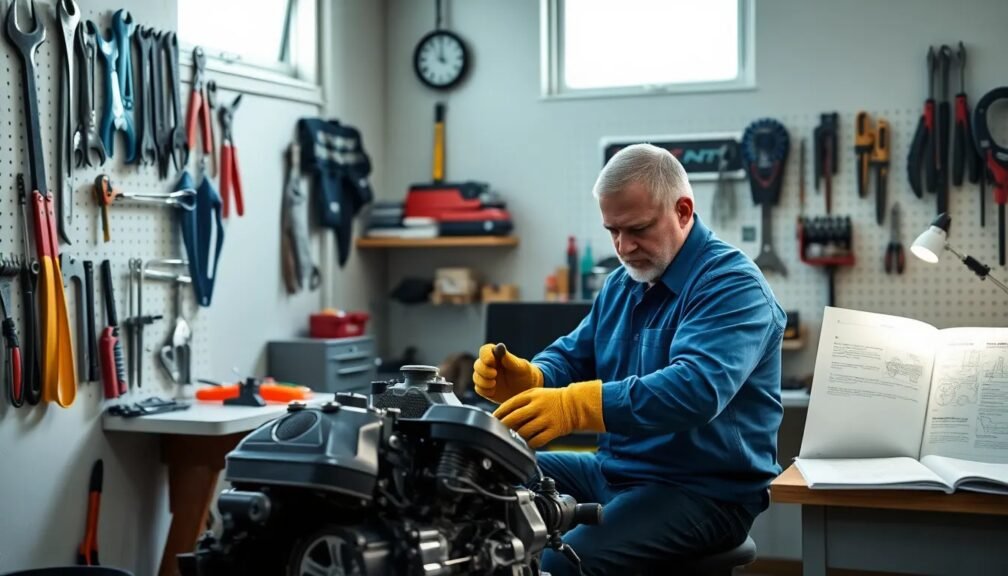
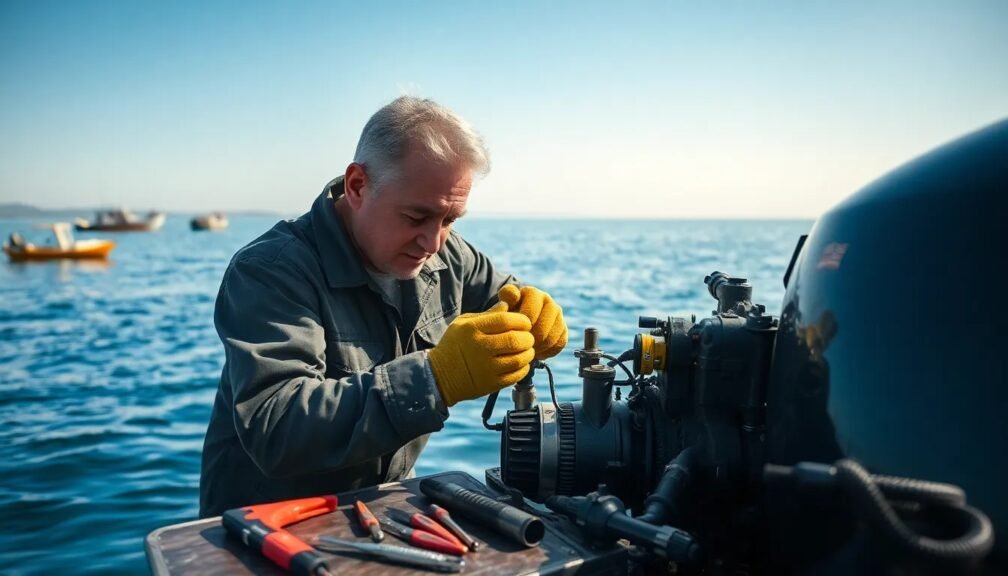
- Engine Room: The heart of your yacht, where regular servicing keeps your engine running smoothly.
- Electrical System: Ensuring your electrical systems, including battery and wiring, are functional is essential for safety.
By knowing these structures, you can assess which areas may need repair and how to approach them.
Common Yacht Repair Tasks
Let’s break down some common yacht repair tasks that DIY enthusiasts can handle with a little guidance:
1. Hull Maintenance and Repair
The hull of your yacht is its first line of defense against the harsh marine environment. Repairs here can involve:
- Cleaning and Inspections: Regularly clean the hull to prevent barnacles and marine growth. Inspect for scratches or blisters.
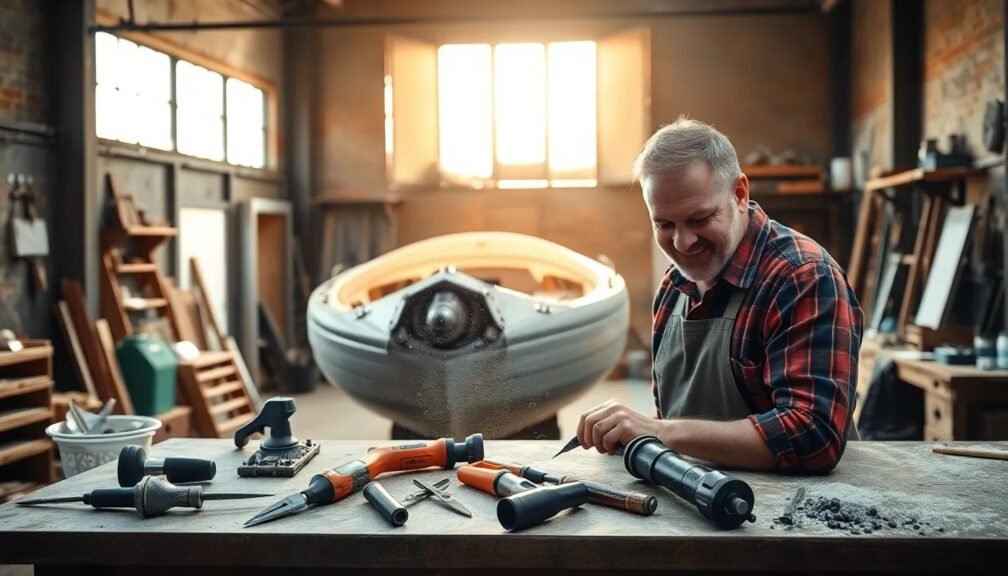
- Gel Coat Repair: For small scratches, use a gel coat repair kit. Sand the damaged area, apply the gel coat, and polish to blend seamlessly.
- Fiberglass Patching: For larger damages, fiberglass patches can be applied. This requires cutting out the damaged area, layering fiberglass cloth, and resin application.
2. Deck Care
Maintaining the deck is essential for both aesthetics and functionality. Here’s what you can do:
- Sealing: Ensure that all seams are properly sealed to prevent leaks.
- Recaulking: If you notice cracking or separation in existing caulk, it’s time for a recaulking job.
- Anti-Slip Treatments: Apply anti-slip coatings to enhance safety, especially in wet conditions.
3. Engine Room Servicing
Your yacht’s engine requires regular upkeep to ensure reliability during excursions. Focus on:
- Routine Oil Changes: Follow the engine manufacturer’s recommendations for oil changes, typically every 100 hours.
- Cooling System Checks: Inspect and replace coolant fluid as needed, ensuring the engine operates at optimal temperatures.
- Battery Maintenance: Keep batteries clean and check connections regularly to prevent electrical failures.
4. Electrical System Repairs
Electrical issues can be frustrating but are often manageable. Consider the following:
- Inspect Wiring: Look for frayed or damaged wires. Repair or replace as necessary.
- Fuses and Breakers: Regularly check fuses and circuit breakers as part of your routine.
- Battery Care: Keep terminals clean, and check water levels if using lead-acid batteries.
Tools Every DIY Yacht Repair Enthusiast Should Have
To execute yacht repair efficiently, equip yourself with the right tools:
- Basic Hand Tools: Screwdrivers, pliers, wrenches, and hammers should form the foundation of your toolkit.
- Power Tools: A drill, jigsaw, and orbital sander can make repairs quicker and easier.
- Specialized Tools: Invest in marine-specific tools like a fiberglass roller or caulking gun.
- Safety Gear: Always wear gloves, safety glasses, and a dust mask when working on repairs to protect yourself.
Safety First: Guidelines for Yacht Repair
Safety should never be compromised, especially in marine environments. Here are some essential safety tips:
- Work in a Well-Ventilated Area: Ensure proper ventilation when working with chemicals or materials that produce fumes.
- Use Life Jackets: Whenever you’re working anywhere near water, a life jacket is a must.
- Follow Manufacturer Guidelines: Always adhere to manufacturer specifications when repairing machinery or systems to avoid complications.
The Importance of Regular Maintenance
Regular maintenance is just as vital as yacht repair. A well-maintained yacht can save you time and money in the long run, as neglected parts often lead to larger, more costly repairs. Here are some maintenance practices to adopt:
- Establish a Service Schedule: Create a routine for checking all systems regularly, from engine checks to hull inspections.
- Keep a Logbook: Document all repairs and maintenance activities. This log will help you track your yacht’s condition over time.
- Stay Informed: Join boating forums and read manuals to stay updated on the latest trends in yacht repair and maintenance.
Conclusion: Taking Command of Your Yacht Repair
Embarking on yacht repair as a DIY enthusiast not only stimulates creativity and resourcefulness but also strengthens your bond with your vessel. Understanding your yacht’s components, being equipped with the right tools, and adhering to safety measures can transform what seems like a daunting task into an achievable project.
Taking responsibility for your yacht repair means ensuring it remains a safe and enjoyable space for all your maritime adventures. Whether it’s patching up scratches in the hull or addressing electrical issues in the engine room, the satisfaction you’ll feel from caring for your yacht yourself is unparalleled.
As you dive into your next yacht repair project, remember: preparation is key, regular maintenance is vital, and the journey of learning will make you not just a better boat owner, but a more skilled marine enthusiast. Happy sailing!