Owning a boat is a considerable investment, and ensuring its longevity requires diligent maintenance. One crucial aspect often overlooked by boat owners is the need for regular anode replacement. Also known as sacrificial anodes, these components play an essential role in protecting your boat from the corrosive effects of saltwater and other environmental factors. In this comprehensive guide, we will delve into the importance of boat anode replacement, when it should be done, and how to effectively manage this process to safeguard your vessel.
Understanding Corrosion and Its Impact on Boats
Corrosion is an electrochemical process that can cause significant damage to your boat. It occurs when metals are exposed to an electrolyte, such as saltwater, leading to the deterioration of metal components. This process can compromise the structural integrity of your vessel over time, potentially leading to costly repairs or even rendering the boat unusable.
The Role of Anodes in Preventing Corrosion
Anodes are designed to combat corrosion by acting as a less noble metal in the electrochemical process. When installed on a boat, they divert the corrosive action away from the more valuable metal components, sacrificing themselves in the process. This sacrificial action protects critical parts like the hull, propellers, and other submerged metal parts from deterioration.
Types of Anodes
There are several types of anodes used in marine environments, each suited for different conditions:
- Zinc Anodes: Traditionally the most common type, zinc anodes are well-suited for saltwater environments but are less effective in freshwater.
- Aluminum Anodes: Increasingly popular due to being lighter and offering longer life than zinc, aluminum anodes are effective in both saltwater and freshwater.
- Magnesium Anodes: Best for freshwater applications, magnesium anodes provide excellent protection due to their high reactivity.
When to Replace Boat Anodes
Recognizing when to replace your boat’s anodes is critical to ensuring optimal protection against corrosion. The frequency of replacement depends on several factors, including the type of water your boat is used in, the material of the anode, and the overall usage of the vessel.
Signs That An Anode Needs Replacement
- Excessive Wear: An anode should be replaced when it has corroded to about 50% of its original size.
- Uneven Wear: If an anode is wearing unevenly, it may indicate that it is not making proper contact with the metal it is meant to protect or that it has been improperly installed.
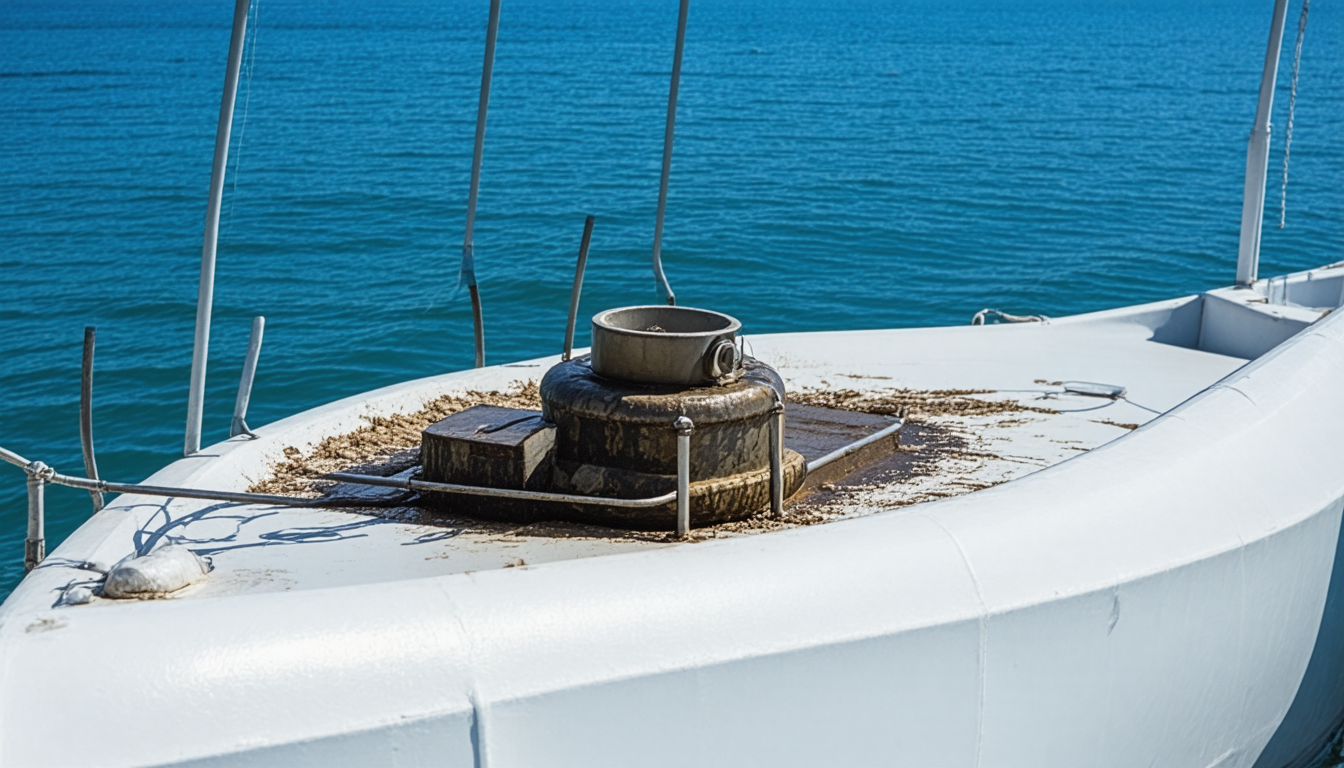
- Discoloration or Chalkiness: A powdery or chalky appearance may signal that the anode is no longer effective and needs replacement.
Environmental and Usage Considerations
- Saltwater vs. Freshwater: Anodes in saltwater will generally corrode faster than those in freshwater, necessitating more frequent checks and replacements.
- Frequency of Use: Boats that are used more frequently or are left in the water for extended periods are more prone to corrosion, thus requiring more regular anode maintenance.
How to Replace Boat Anodes
Replacing boat anodes is a straightforward process that can often be done by the boat owner. However, it is crucial to follow the correct steps to ensure they function properly.
Step-by-Step Guide to Replacing Anodes
- Identify Anode Locations: Determine where anodes are installed on your boat. Common locations include the hull, engine, propeller shaft, and rudder.
- Select the Right Anode Material: Choose the appropriate anode type based on the water environment and the metal components you’ll be protecting.
- Remove the Old Anode: Use the necessary tools to unscrew and remove the worn anode. Be cautious to avoid damaging the mounting surface.
- Clean the Mounting Surface: Ensure that the surface where the new anode will be installed is clean and free from debris or corrosion. This ensures good electrical contact.
- Install the New Anode: Attach the new anode securely. Ensure it makes full contact with the metal part it is meant to protect.
- Check for Proper Installation: After installation, verify that the anode is snug and properly aligned.
Professional Assistance vs. DIY Replacement
While DIY replacement is feasible for many boat owners, seeking professional assistance can be beneficial, particularly if you’re unsure about the installation process or need advice on the right type of anode for your vessel. Professionals can also conduct a thorough inspection to identify any other potential corrosion issues.
Maintaining Anodes for Longevity
Proper maintenance of anodes can enhance their lifespan and effectiveness. Routine checks should be part of your boat’s regular maintenance schedule.
Tips for Anode Maintenance
- Regular Inspections: Check anodes regularly for signs of wear and replace them as needed.
- Proper Storage: If storing your boat out of the water for extended periods, inspect and, if necessary, replace anodes before your next launch.
- Clean Contact Points: Ensure that anodes maintain good electrical contact with the metal parts they protect by keeping contact points clean and free of corrosion.
Frequently Asked Questions
What is the main purpose of boat anodes?
Boat anodes serve as sacrificial metals that corrode instead of the more critical metal components of your vessel, such as the hull and engine parts, thereby protecting them from corrosion.
How often should I check my boat’s anodes?
It is recommended to inspect your boat’s anodes at least once every six months. However, if your boat is used frequently or kept in saltwater, more frequent checks are advisable.
Can I mix different types of anodes on my boat?
While mixing anode types is generally not recommended due to differing electrochemical properties, it is possible if guided by an expert who understands how different materials interact in specific water conditions.
What happens if I don’t replace the anodes in time?
Failing to replace anodes in a timely manner can lead to accelerated corrosion of your boat’s metal components, potentially causing significant and costly damage.
Is it better to hire a professional for anode replacement?
While many boat owners successfully replace anodes themselves, hiring a professional ensures that the correct anode type is used and that the installation is performed correctly, providing peace of mind and reliable protection.
Conclusion
Boat anode replacement is a crucial maintenance task that protects your vessel from the damaging effects of corrosion. By understanding the role of anodes, recognizing when they need replacement, and knowing how to install them properly, you can significantly extend the life of your boat’s metal components. Regular inspection and timely replacement of anodes are simple yet effective steps in ensuring your vessel remains in peak condition, safeguarding your investment and enhancing your boating experience. Whether you choose to handle this task yourself or enlist professional help, maintaining your boat’s anodes is an essential aspect of responsible boat ownership.