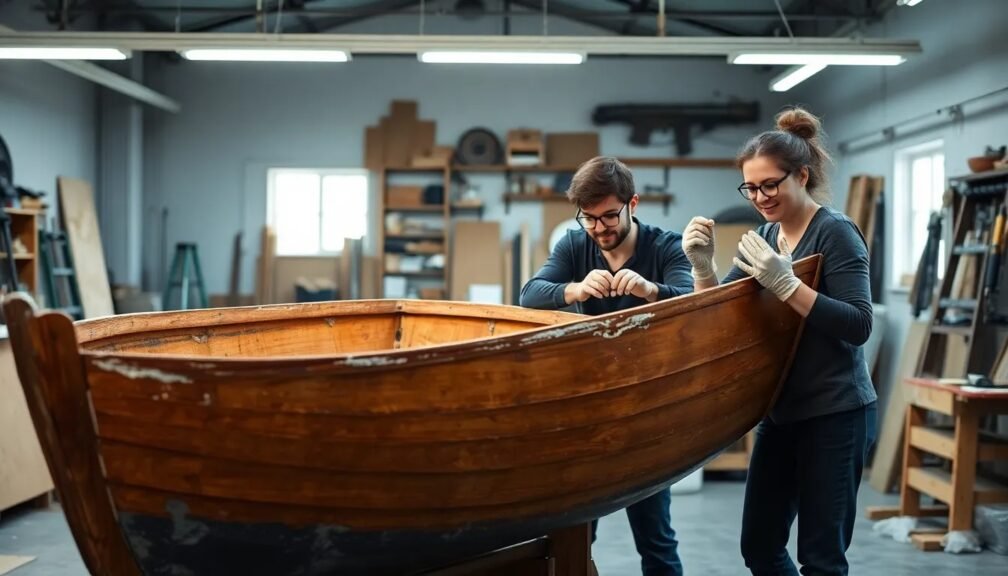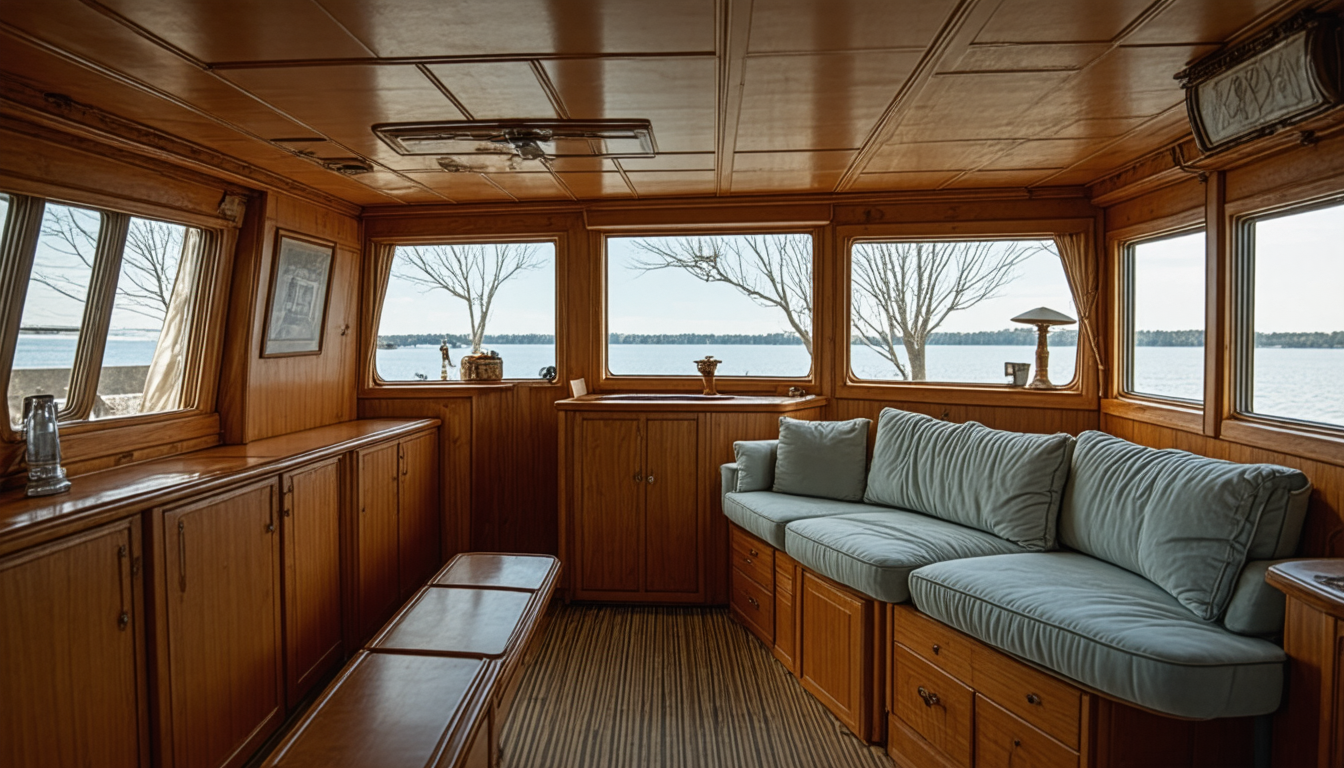
Restoring a boat’s interior is akin to breathing new life into a cherished possession. Whether your vessel is a vintage beauty or a contemporary model in need of a face-lift, transforming an aging cabin can enhance its aesthetic appeal, functional value, and overall comfort. This comprehensive guide will delve into the systematic process involved in boat interior restoration, offering insights and practical advice for boat owners eager to embark on this rewarding journey.
Assessing the Existing Condition
Before embarking on the restoration process, it’s imperative to assess the current state of your boat’s interior. This preliminary step helps in identifying areas that require attention and sets the foundation for your restoration project.
Inspecting the Cabin
Begin with a thorough inspection of the cabin. Look for signs of wear and tear, such as cracked or faded upholstery, water damage, mold growth, and outdated fixtures. Documenting these issues will help you prioritize tasks and allocate resources effectively.
Evaluating Structural Integrity
Check the structural components of your boat, including the flooring, bulkheads, and ceiling panels. Any signs of rot or structural weakness should be addressed immediately to ensure the safety and longevity of your restoration efforts.
Planning Your Restoration Project
Once you have a clear understanding of the current state of your boat’s interior, the next step is to plan your restoration project. A well-thought-out plan will guide you through the process and help you stay on track.
Setting a Budget
Restoration costs can vary significantly depending on the scope of the project. Establish a realistic budget that covers all aspects of the restoration, including materials, labor, and any unexpected expenses that may arise.
Designing Your New Interior
Consider the design and functionality you wish to achieve. Do you want a modern, sleek look or a classic, nautical theme? Create a vision board with colors, materials, and design elements that resonate with your preferences.
Selecting Materials and Tools
Choosing the right materials and tools is crucial for a successful boat interior restoration. Opt for marine-grade materials that can withstand the harsh marine environment and ensure durability.
Upholstery and Fabrics
Select durable, water-resistant fabrics for reupholstering cushions and seats. Marine vinyl and Sunbrella fabrics are popular choices due to their durability and resistance to fading and mildew.
Flooring Options
For flooring, consider materials such as marine-grade carpet, teak, or synthetic alternatives like vinyl planks. Each option has its pros and cons, so choose one that aligns with your budget and aesthetic preferences.
Essential Tools
Ensure you have the right tools on hand, such as power drills, saws, sanders, and upholstery staplers. Having the correct equipment will make the restoration process more efficient and less stressful.
Step-by-Step Restoration Process
Now that you have planned your project and gathered materials and tools, it’s time to dive into the restoration process itself. This section will walk you through each step in detail.
Removing Old Fixtures and Furnishings
Begin by carefully removing old fixtures, such as light fittings, cabinets, and upholstery. Take care not to damage any surfaces you plan to retain. Label and store hardware safely for future use.
Repairing and Replacing Structural Elements
Address any structural repairs identified during your initial assessment. Replace rotted wood, reinforce weak bulkheads, and ensure the flooring is solid and level. This step is critical for creating a safe and stable foundation for your new interior.
Installing New Flooring
With the structural repairs complete, proceed to install your chosen flooring material. Follow manufacturer instructions for installation, allowing adequate time for adhesives to cure if necessary.
Reupholstering Seats and Cushions
Reupholstering can dramatically improve the appearance and comfort of your boat’s interior. Carefully measure and cut your chosen fabric, ensuring a snug fit around cushions and seats. A staple gun and fabric adhesive can help secure the new upholstery in place.
Upgrading the Galley and Head
If your restoration includes the galley and head, consider modernizing appliances, fixtures, and cabinetry. Stainless steel fittings, energy-efficient appliances, and sleek countertops can enhance functionality and add a touch of luxury.
Adding Decorative Touches
Once the major components are in place, it’s time to add decorative touches. Consider adding throw pillows, curtains, and wall art to personalize your space. LED lighting can create ambiance and improve energy efficiency.
Frequently Asked Questions
What is the average cost of a boat interior restoration?
The cost can vary widely based on the size of the boat, the extent of the restoration, and the materials used. On average, boat owners might spend anywhere from a few thousand to tens of thousands of dollars.
How long does a boat interior restoration typically take?
The duration of a restoration project depends on its complexity and the availability of materials and labor. Generally, it can take anywhere from a few weeks to several months to complete.
Can I undertake a boat interior restoration as a DIY project?
Yes, many boat owners choose to tackle restoration projects themselves, especially if they have some DIY experience. However, certain tasks, such as electrical work or structural repairs, might require professional assistance.
What are the most popular materials for boat upholstery?
Marine vinyl and Sunbrella fabrics are highly favored for boat upholstery due to their durability, water resistance, and ease of maintenance.
How can I prevent future damage to my restored boat interior?
Regular maintenance, such as cleaning and inspecting for leaks, can help prevent future damage. Using protective covers and ensuring proper ventilation can also extend the life of your boat’s interior.
Conclusion
Restoring the interior of your boat is an exciting endeavor that can significantly enhance its value and your enjoyment on the water. By carefully assessing the existing condition, planning your project, and selecting quality materials, you can transform an aging cabin into a beautiful and functional space. Whether you choose to tackle this project yourself or enlist professional help, the key to success lies in attention to detail and a passion for craftsmanship. Embark on your restoration journey with confidence, and soon you’ll be navigating the waters in a vessel that feels brand new.